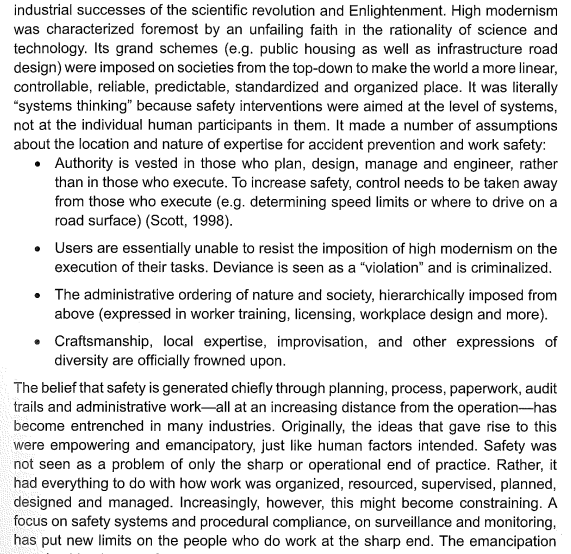
Not much to add here – images 1 and 2 are excerpts from one of Dekker’s papers that I found interesting; and an image on different figurative ‘ages’ of safety evolution from Pillay et al.
Note: You probably shouldn’t take image 1 too literally, but it serves more as a general indication of how science and practice has built upon or diverged from previous epochs. (Yes, there’s always exceptions.)
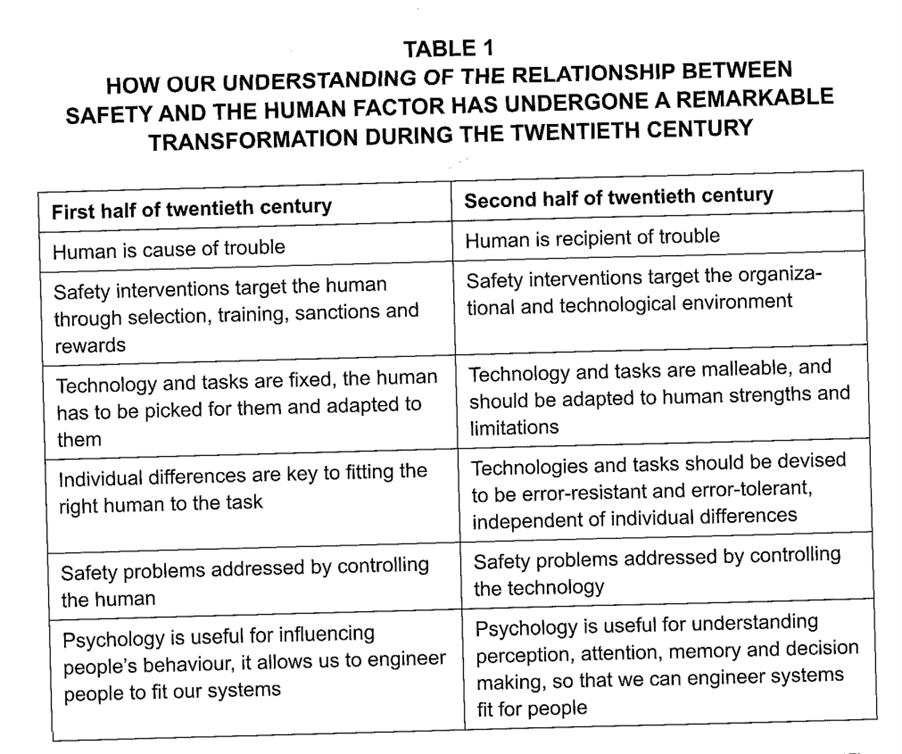
Image 2 discusses the post-WW2 shift to high modernism. Again, I wouldn’t take it too literally, but I think it aligns pretty well with the developments of SMS approaches.
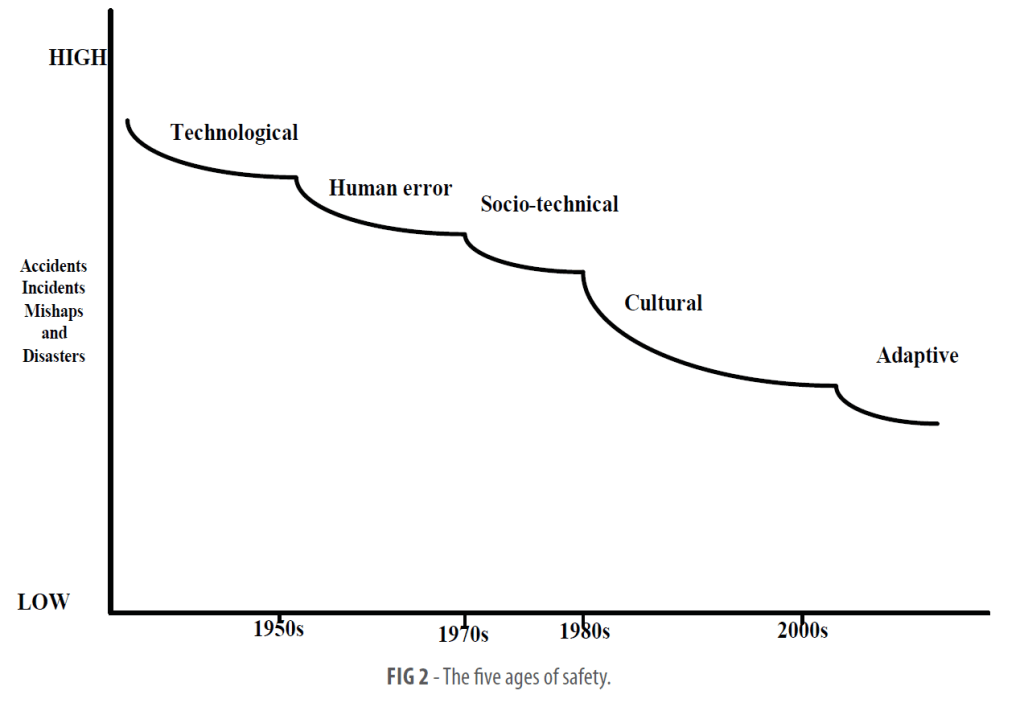
Finally, image 3 is taken from a different paper from Pillay et al. Here they discuss the evolution of safety science through different ages (what some termed waves).
Again, don’t take it too literally, as it’s more figurative to describe different foci over time. Other authors describe slightly different ages.
They argue that “The important thing in this evolution, according to Borys (2009) was that each stage did not leave behind, but built upon what was already known. Under this alternative proposition accidents and safety management can be suggested to have evolved over five eras”.
Although it has ‘technological’ around the 1950s and earlier, regrettably it doesn’t really cover the development of systems engineering and process safety etc.
Refs:
Images 1& 2: Dekker, S. (2014). The problems of Vision Zero in work safety.
Image 3: Pillay, M., Borys, D., Else, D., & Tuck, M. (2010). Safety culture and resilience engineering–exploring theory and application in improving gold mining safety. Gravity Gold, 21, e2.

 SafetyInsights.org
One thought on “The evolution of safety science”