
Hi, I’m Ben Hutchinson and thanks for visiting my site. This is a collection of research summaries posted to LinkedIn.
*** Importantly, this is a labour of love and NOT a commercial project subject to peer review or double checks. I’ve likely made a lot of mistakes in my analysis of the research. So, please, don’t quote me on anything and instead go to the original source to check the claims. ***
CHECK OUT MY YOUTUBE – PLEASE SUB, LIKE, COMMENT AND SHARE THE VIDS
Feel free to connect on LinkedIn – click below.

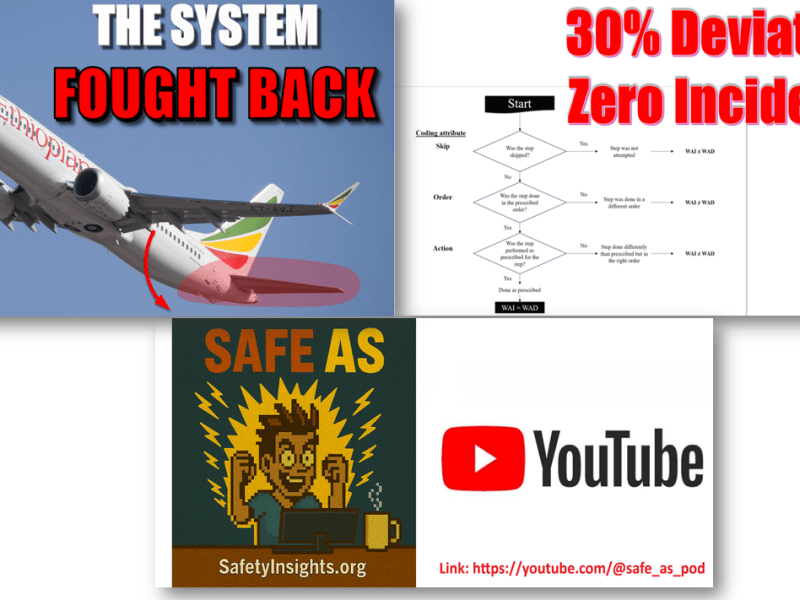
This week on Safe As: Strong, Silent & Wrong automation and procedural departures leading to success
This week on Safe As, we unpacked two types of the ‘same same, but different’ systemic blind-spots: a hazardous gap between work-as-imagined/prescribed/designed and work-as-done. 1. Dangerous software: In Dekker & Woods article ‘Strong, Silent, and Wrong’ on automation failure, they use the 838 MAX MCAS accidents to show what happens when high-authority automated systems operate…
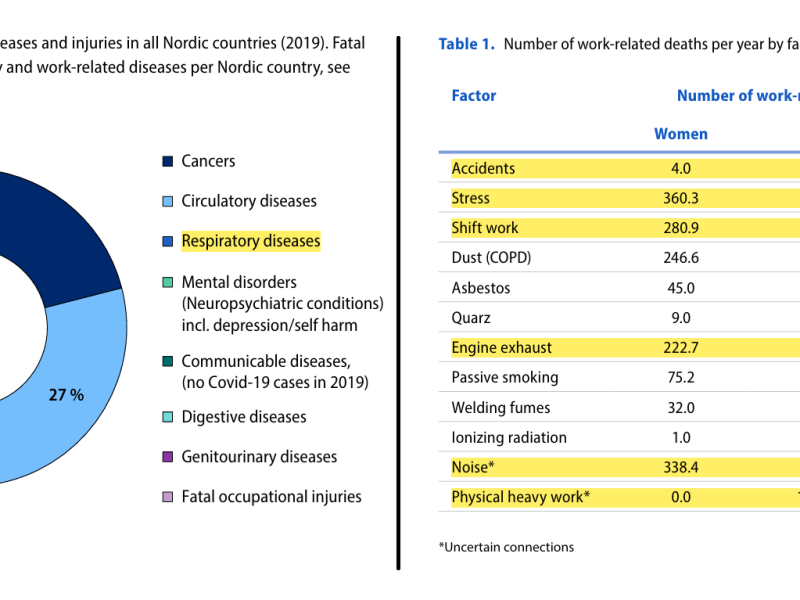
~11k work-related deaths: 1% from accidents but 46% from occupational cancer
~11k work-related deaths: 1% from accidents but 46% from occupational cancer. In 2019, an estimated ~11k work-related deaths occurred across the Nordic countries. Only 143, or 1%, were attributed to accidents at work. This data came from the report ‘Work today and in the future Part three. Work-related fatalities in the Nordic countries’. It attributes…
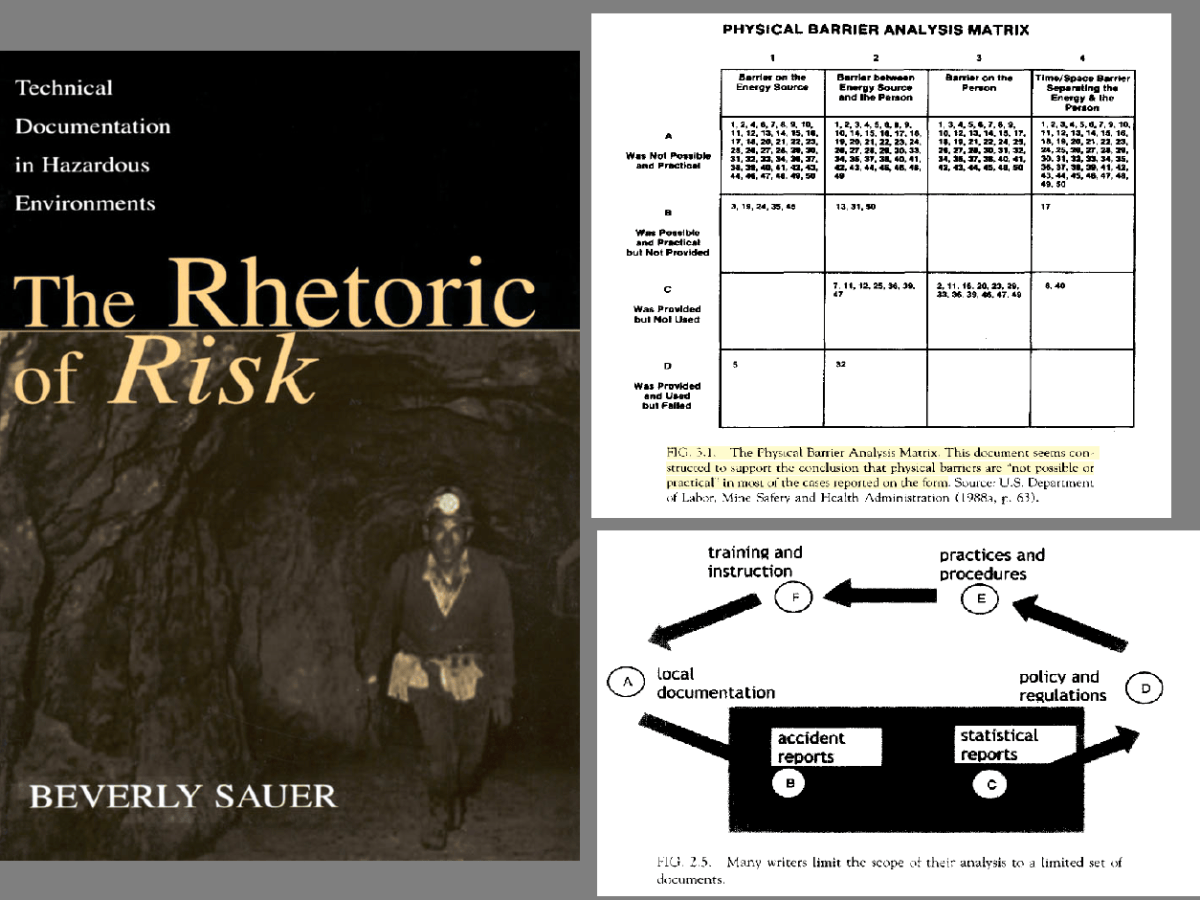
The Rhetoric of Risk: Does the investigation form ‘write’ the findings before anyone investigates?
What if sometimes the investigation template has written the findings before anyone investigates? In Beverly Sauer’s interesting ‘Rhetoric of Risk’, she examines a US mining agency’s Physical Barrier Analysis Matrix. Via 50 accidents, it recorded that physical barriers were “not possible or practical” in most of them. For Sauer, this form “seems constructed to support”…
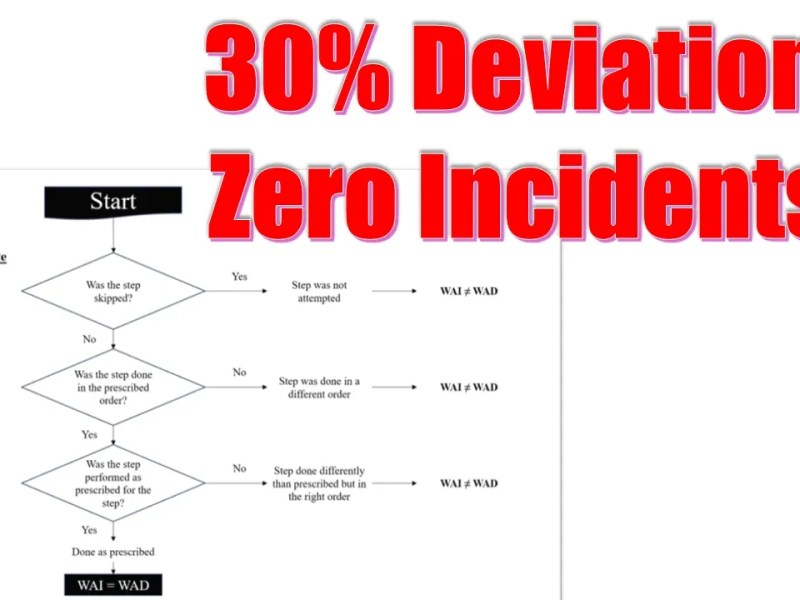
If procedural deviation is a primary ’cause’ of failure, what if it’s also a primary ’cause’ of success? (Safe As Quickisodes)
If procedural deviation is a primary ’cause’ of failure, what if it’s also a primary ’cause’ of success? Today on Safe As Quickisodes, I rapidly unpack a study tracking 1,422 procedural steps across 40 petrochemical operations. Link in comments. Using their Skip-Order-Action (SOA) Framework, they explored how frontline personnel navigate written instructions in practice: revealing…
Free webinar on audits and safety assurance
If you’re interested, I’ll be catching up with the Critical Risk Group to discuss all things audits and safety assurance (mostly failures…) Register here: https://bit.ly/4hKmMJ8
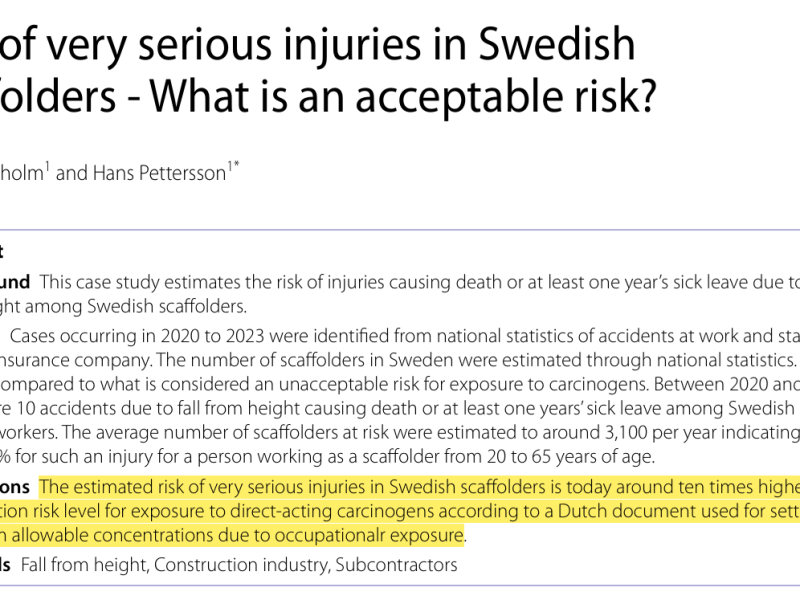
SIF construction fall from height risk 10x higher than occupational health exposure limit – Swedish study
How much “risk” do organisations accept at work? This new Swedish study of scaffolders estimated a projected working-life risk of around 3.1 to 3.6% for a “very serious injury” (e.g. a fatal fall from height or fall resulting in at least 1 year sick leave). Interestingly, and perhaps provocatively, the authors compare this estimate with…
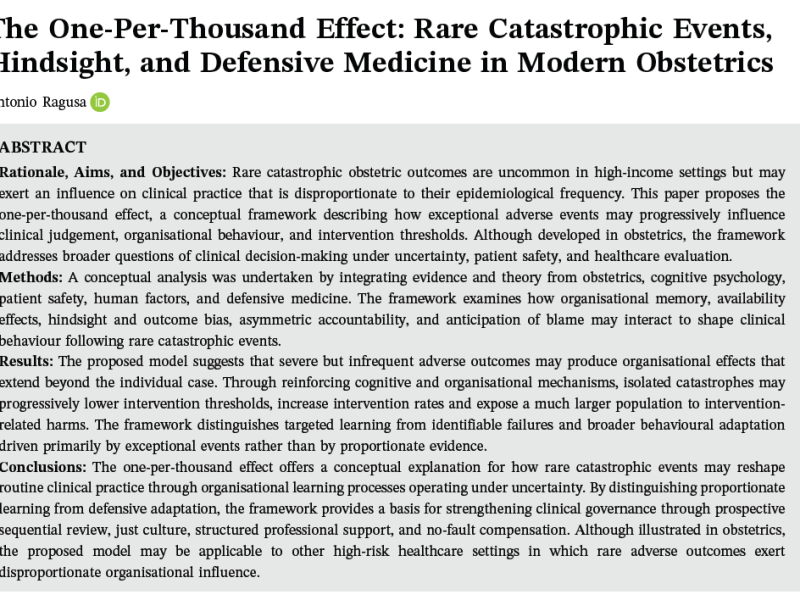
The One‐Per‐Thousand Effect: Rare Catastrophic Events, Hindsight, and Defensive Medicine in Modern Obstetrics
Can one tragic event make things worse for thousands who aren’t at risk? Really interesting conceptual paper discussing a one-per-thousand effect: the process which “a rare catastrophic outcome acquires an organisational influence disproportionate to its frequency”. PS. Check out my YouTube: https://youtube.com/@safe_as_pod?si=V2dbdmW–WbnhzA9 Shout a coffee: https://buymeacoffee.com/benhutchinson Extracts: • “Every obstetrician remembers the newborn who was…
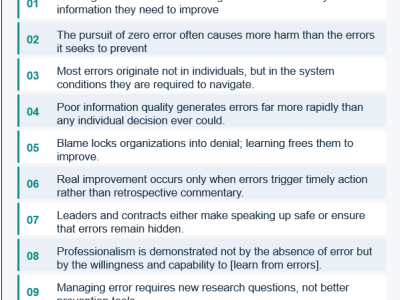
‘Getting It Right’ About Error: Why We Must Stop Pretending Errors in Construction Can and Should Be Eliminated
Does chasing zero errors help us improve, or make errors harder to ‘see’? This article from Peter E.D Love reviews a range of studies to reframe error – and provides 10 alternative propositions (which I tabulated in image 1). PS. Check out my YouTube: https://youtube.com/@safe_as_pod?si=V2dbdmW–WbnhzA9 Shout a coffee: https://buymeacoffee.com/benhutchinson Extracts: • “organizations should reframe errors…

Boeing 737 MAX Disaster: When High-Authority Systems Go “Strong, Silent, and Wrong” (YouTube)
What happens when a high-authority automated system operates with an incorrect model of reality? This question is explored via Dekker & Woods’ (2024) article on automated systems that are Strong, Silent, and Wrong. Check it out on my YouTube – link in comments. We explore the breakdown of human-automation coordination, mode confusion, and automation surprises,…
This week on Safe As: How near misses *increases* risk, and how fatigue leads to inattentional blindness
Can near misses increase risky decision-making? This week on Safe As, I spoke with Professor Robin Dillon-Merrill covering her work on how near misses can desensitise us to risk – challenging the rhetoric around the importance of reporting them. Robin discussed how organisations routinely misinterpret near misses and mistake luck for system resilience. Namely: •…
Something went wrong. Please refresh the page and/or try again.
Follow My Blog
Get new content delivered directly to your inbox.

