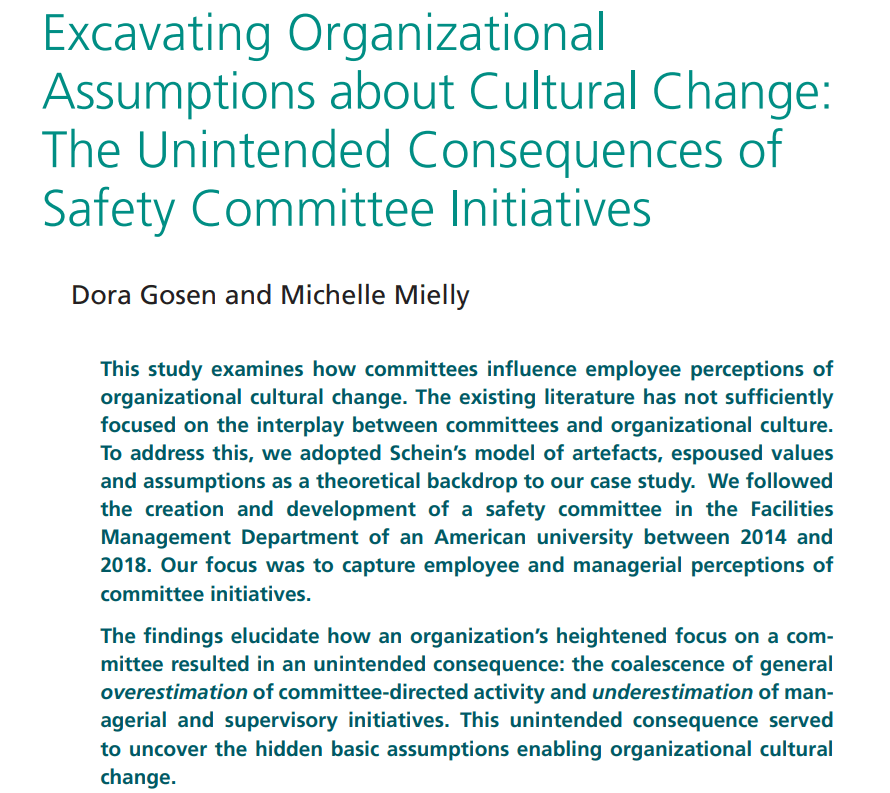
Can Schein’s framework reveal unintended consequences resulting from safety committees?
It used Schein’s framework to explore how safety committees influence org cultural change & impact employee perceptions of safety from artefacts, beliefs & assumptions.
(** Though didn’t look at actual behaviour & routines).
PS. Check out my YouTube: https://youtube.com/@safe_as_pod?si=V2dbdmW–WbnhzA9
Shout a coffee: https://buymeacoffee.com/benhutchinson
Background:
· “Safe operations are not a straightforward matter of compliance with regulations and codes. They also depend on a host of dependent factors, including organizational design”
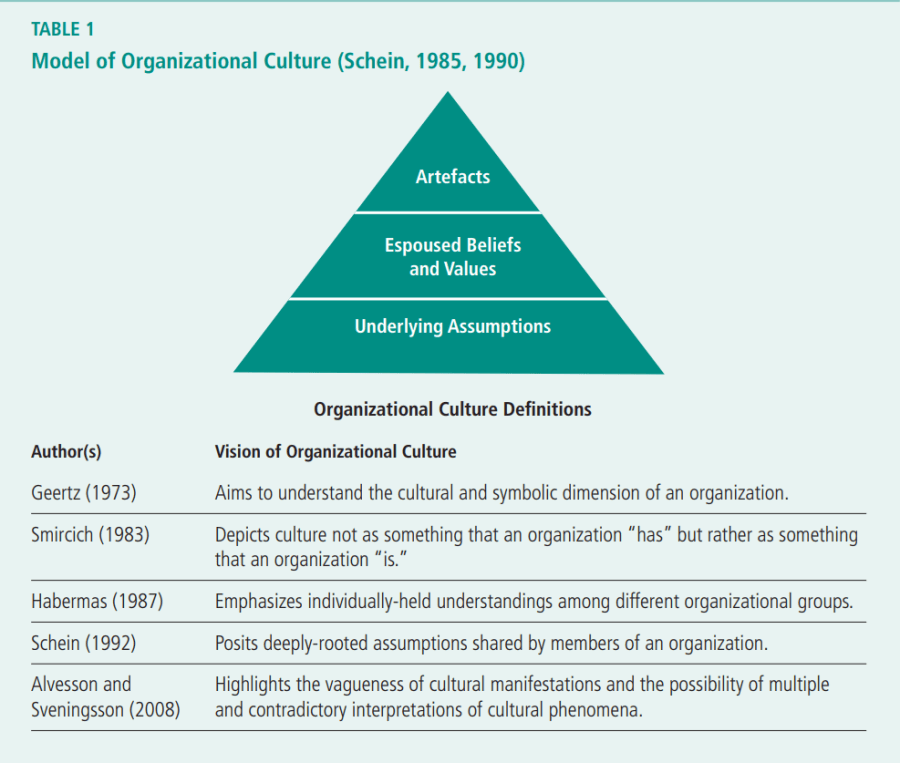
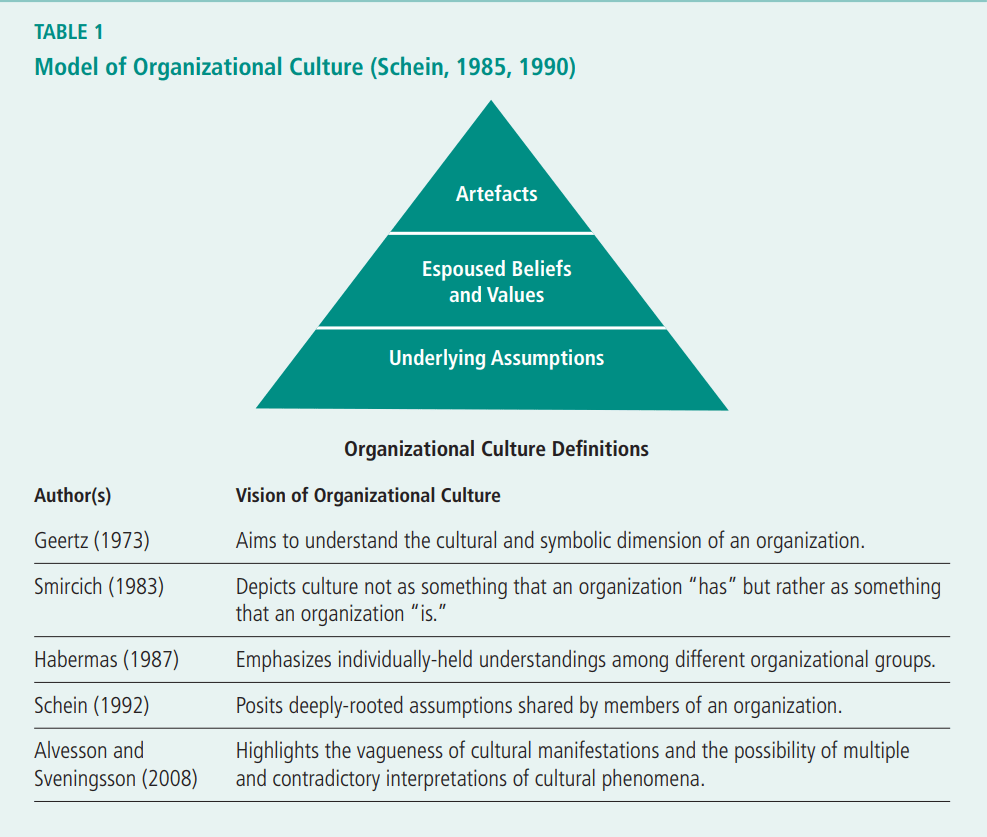
· “For Schein, organizational culture is comprised of three basic elements. First, assumptions represent culture’s unconscious drivers. Second, espoused values reflect stated goals, ideals and beliefs and serve as explicit foundations for action … Third, artefacts recombine culture’s manifestations that can be observed, touched or experienced”
· “growth of safety culture studies across a variety of disciplines has resulted not only in a multitude of definitions and constructs … but also in competing, if not contradictory, arguments”
Findings:
· They found that the safety committee initiatives “impact organizational safety culture in some positive yet unintended ways that may reveal implicit organizational assumptions”
· “Employees attributed most safety-related actions to the committee when, in fact, the managers and supervisors had actually carried them out”
· “This overestimation of committee activities and concomitant underestimation of managerial actions by employees was an unintended consequence of establishing a committee”
· “Employees, in fact, collectively attributed all positive changes in the organizational culture to the committee. The committee ultimately influenced the employees’ basic assumptions, such change being, according to Schein, a prerequisite for organizational cultural change”
· They present unintended consequences via 3 ways: 1) “unintended consequences can promote positive outcomes; 2) they can reveal a new understanding of committees, which under certain circumstances can act as a proxy for management and encourage positive perceptions of managerial commitment; 3) unintended consequences can provide a means to detect and ‘excavate’ hidden, implicit assumptions that drive organizational culture’s deepest layers”
· Regarding Artefacts: On paper “the committee had uniform representation” but in reality “it offered scant opportunities for full and equal contributions from all committee members”
· “asymmetrical and mainly top-down information flows at the meetings: the chair and close advisors initiated and guided conversations. Regular committee members felt less influential in the idea-sharing”
· Committee members reported “I don’t come back with anything or any feedback. It’s all high-level management stuff”
· Employees “uncritically praised [the committee] for the positive changes made”
· Artefact & espoused value analysis revealed “changes in surface manifestations: training, involvement and inclusion in committee meetings, safety equipment usage and general attitudes”
· “We found that organizational safety culture artefacts, e.g., training, discussions and the Expo, were established, disseminated and shared by committee members”
· They note that Schein’s framework helped “reveal those deeper cultural assumptions … that would otherwise remain hidden”
· While a range of issues were mentioned by workers as having being improved, “the committee in reality did nothing to directly address those concerns, its mere existence generated an implicit association between awareness-raising and implementation of actual safety initiatives”
· “The ‘mental shortcut’ implicitly associating all safety improvements with the committee … is a form of positive bias”
· “Such ‘overcrediting’ of the committee meant overlooking the actual work done by organizational members”
Study link: https://doi.org/10.7202/1075576ar
#schein #culture #organizationalculture #ohs #whs #safetyculture


