What does the leadership language used by CEOs tell us about the priority and beliefs around safety and risk? This episode unpacks a study exploring the BP CEO’s speeches prior to the BP Deepwater Horizon disaster. Source: Amernic, J., & Craig, R. (2017). CEO speeches and safety culture: British Petroleum before the Deepwater Horizon disaster. Critical… Continue reading Safe As E49: CEO-speak and the road to major disasters
Author: Ben Hutchinson
Better ways to think about procedures and performance: From IOGP Learning From Normal Work
Some extracts from the IOGP document ‘Learning from Normal Work’. These extracts focus on a different approach to thinking about procedures and performance: · “Research on procedural non-compliance [4] shows there are two ways of thinking about the role of procedures in achieving safety, Approach 1 and Approach 2” · “These approaches refer to how leaders think… Continue reading Better ways to think about procedures and performance: From IOGP Learning From Normal Work
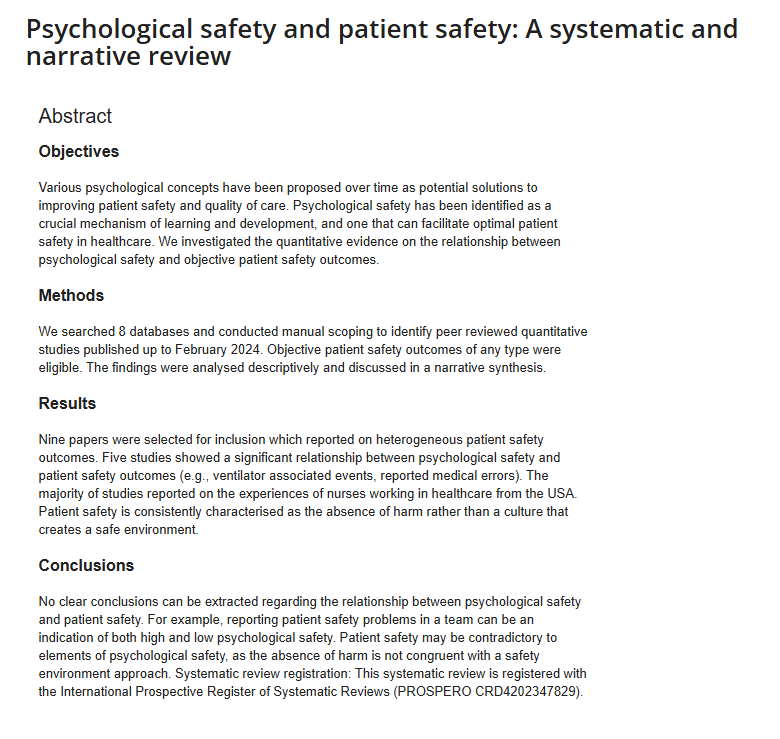
Psychological safety and patient safety: A systematic and narrative review
This explored the links between psychological safety and objective patient safety outcomes: · “No clear conclusions can be extracted regarding the relationship between psychological safety and patient safety” · “The evidence linking psychological and patient safety is equivocal” · “Overall, there is relatively little hard data to link PS and patient safety outcomes” · “Only nine studies fit the… Continue reading Psychological safety and patient safety: A systematic and narrative review
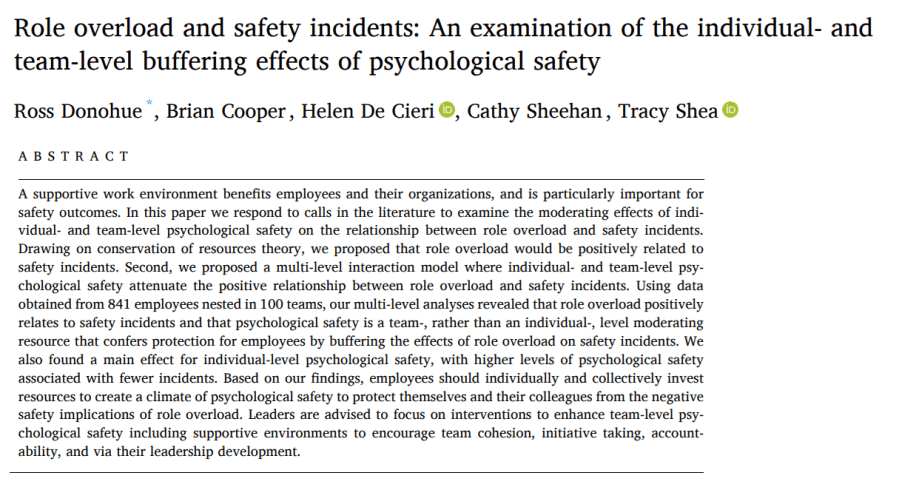
Role overload and safety incidents: An examination of the individual- and team-level buffering effects of psychological safety
This study evaluated the how psychological safety can buffer the effects of role overload on safety incidents. Data was from 841 employees across 100 teams in a large Australian health service. Extracts: · The analysis revealed that “role overload positively relates to safety incidents” · Role overload is defined as quantitative role overload, occuring “when an individual… Continue reading Role overload and safety incidents: An examination of the individual- and team-level buffering effects of psychological safety
The links between hazard energy and injury severity and the 1,500 J SIF threshold: Energy-Based Safety
Further extracts from Energy-Based Safety: · “We only Identify about 45% of the Hazards during our Work Planning” · “The crews from these industry-leading companies were identifying fewer than half of the hazards” · “Hazard Recognition Skills are the Same Regardless of Age, Experience Or other Personal Factors” · “We assumed seasoned workers would identify more hazards than their… Continue reading The links between hazard energy and injury severity and the 1,500 J SIF threshold: Energy-Based Safety
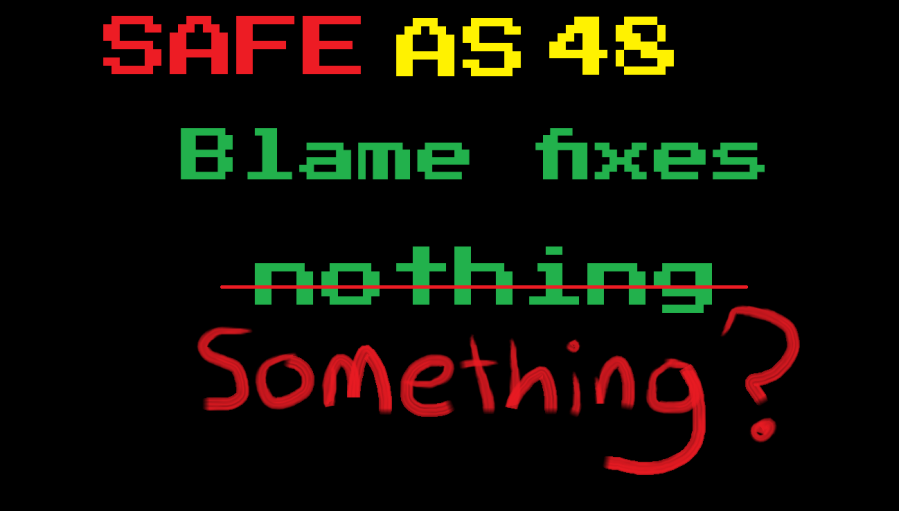
Safe As E48: Blame fixes … something ???
Does blame really fix nothing, or does it actually have some redeeming features? Make sure to subscribe to Safe As on Spotify/Apple, and if you find it useful then please help share the news, and leave a rating and review on your podcast app. Spotify: https://open.spotify.com/episode/7jwmonRiJyneJgUMp7NGxg?si=maKV88GrQFmEgp6M9Nqfhw I also have a Safe As LinkedIn group if… Continue reading Safe As E48: Blame fixes … something ???
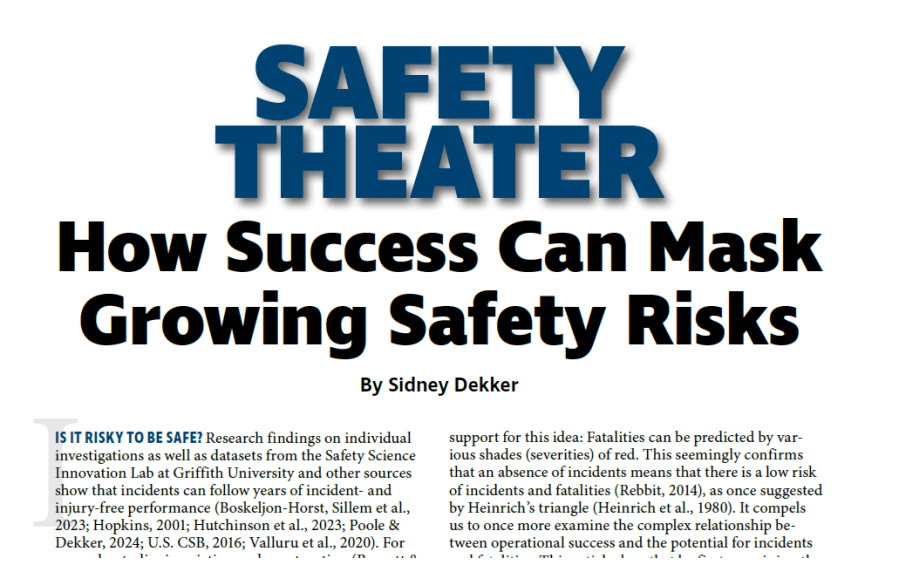
Safety Theatre: How success can mask growing safety risks
Extracts from Sid Dekker’s recent article on ‘Safety Theatre’ · “Is it risky to be safe? … [evidence shows] that fatalities can hide in the green: the fewer incidents or injuries, or the “greener” the audit or safety culture survey, the higher the organization’s fatal incident risk” · “In contrast, conventional safety approaches rely on… Continue reading Safety Theatre: How success can mask growing safety risks
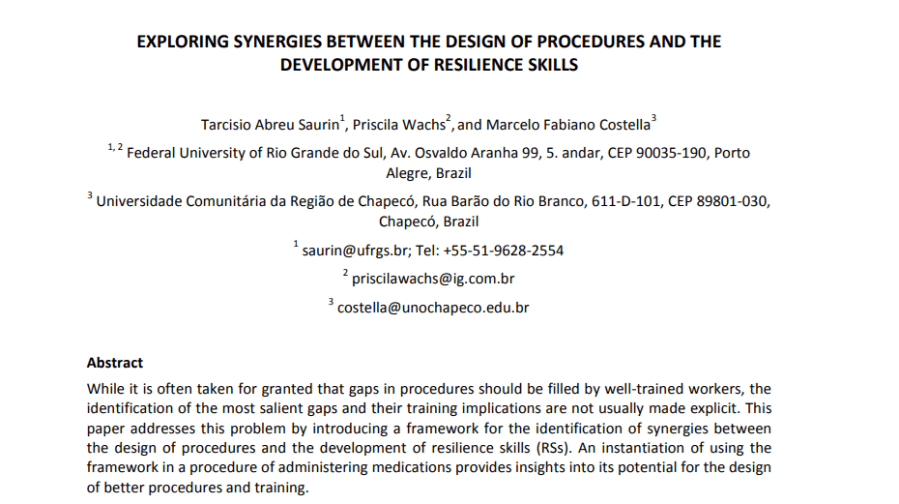
Safe As E47: Improving procedures via resilient skills – leveraging resilience engineering (quickisode)
This quickisode explores how resilience engineering – particularly enhancing resilient skills – can improve procedures. Source: Saurin, T. A., Wachs, P., & Costella, M. F. (2015). Exploring synergies between the design of procedures and the development of resilience skills. In Proceedings of the 6th Resilience Engineering Symposium. Spotify: https://open.spotify.com/episode/1KizbG4BtlOlxeLOeNwJs6?si=34xw1lyHTx2Gz_pzUm2gGw Make sure to subscribe to Safe As… Continue reading Safe As E47: Improving procedures via resilient skills – leveraging resilience engineering (quickisode)
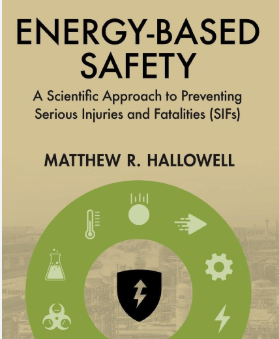
STKY (the stuff that kills), energy, and improving hazard awareness: Energy Based Safety – Hallowell
More extracts from Matt Hallowell’s energy based safety: · “Research consistently shows that higher levels of energy result in greater harm. At a certain threshold (1500 Joules to be exact), the energy involved becomes so significant that the most likely outcome of contact is a SIF” · “Every [physical] injury results from a transfer of energy to… Continue reading STKY (the stuff that kills), energy, and improving hazard awareness: Energy Based Safety – Hallowell
Safe As E46: The Stuff That Kills People and weaknesses in Critical Control Programs
How do Critical Control programs succeed or fault and trip? And are CC observations calibrated to the actual things that kill or permanently injure people? This episode unpacks creative sentencing reports. Article: Lefsrud, L. M., Sattari, F., Gellatly, I. R., Wasel, C., Charuvil Elizabeth, R. M., Abdolmaleki, A., … & O’Neill, T. (2025). Final Report… Continue reading Safe As E46: The Stuff That Kills People and weaknesses in Critical Control Programs
 SafetyInsights.org