This studied whether High Reliability Organising (HRO) interventions improved serious safety events (SSE), reporting and aligning leadership with frontline practice. Was a retrospective observational design across 12 hospitals, between 2021-24. Usual limitations & cautions apply with these sorts of designs and measures. ** Check out my YouTube channel: https://www.youtube.com/@Safe_As_Pod Extracts: · The HRO intervention included leadership… Continue reading Transforming Safety Culture: A Systemwide High Reliability Approach to Preventing Serious Harm in Healthcare
Author: Ben Hutchinson
Daniel Kahneman: Theory-induced blindness
Just a simple extract from Daniel Kahneman’s Thinking Fast and Slow, with Kahneman discussing his idea of ‘theory-induced blindness’. This is such where we embed an idea, theory or tool so well into our thinking and routines, that we become blind to its flaws (potentially in the face of contradictory evidence). It seems to tie… Continue reading Daniel Kahneman: Theory-induced blindness
Part 1 interview with Dr Drew Rae: New View evidence, safety clutter, risk assessments, Take 5 rituals + more
Part 1 interview with Associate Professor Drew Rae: New View evidence, safety clutter, value and evidence of risk assessments, Take 5 rituals + more More interviews on the way – including two leading global construction safety experts (you’ll know them), a data expert who traced the history of injury frequency rates, a leading behavioural and… Continue reading Part 1 interview with Dr Drew Rae: New View evidence, safety clutter, risk assessments, Take 5 rituals + more
Safe As Week in review: Dekker on behavioural safety/BBS, how measuring/quantifying harms us, AI & false memories, and leaders &mental health
Did you check out my Safe As YouTube channel this week? Link: https://youtube.com/@safe_as_pod?si=Zgpi0MVb8JdhliKl We covered: 1. Part 2 interview with Prof Sid Dekker, covering behavioural safety, simplistic slogans like zero harm, and KPIs and measures 2. ‘Quantification fixation’ and how counting and measuring can shift our focus to managing the numbers over the core issues… Continue reading Safe As Week in review: Dekker on behavioural safety/BBS, how measuring/quantifying harms us, AI & false memories, and leaders &mental health
Your boss is affecting your brain
How can we enhance employee mental health and general flourishing? It turns out–to nobody’s surprise–that leaders are a key factor in ill-health, and positive mental health. #leadership #mentalhealth #health
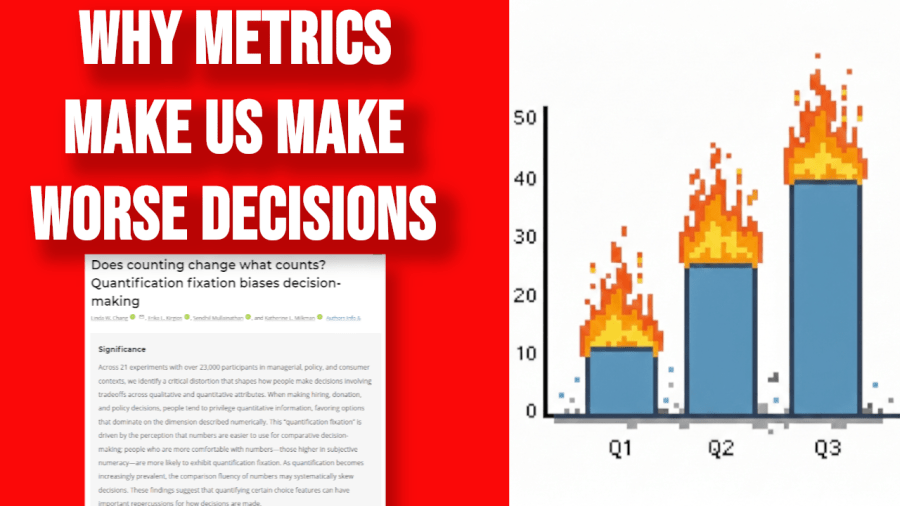
Are your metrics distorting decision making?
Are your metrics distorting decision making? A recent study shows that we don’t just count what matters, we start to value what we can count. Numbers feel objective, but they can bias us. Re-spruiking this ep as it didn’t get much love – less than 4 mins of your life. Link in comments. Have you… Continue reading Are your metrics distorting decision making?
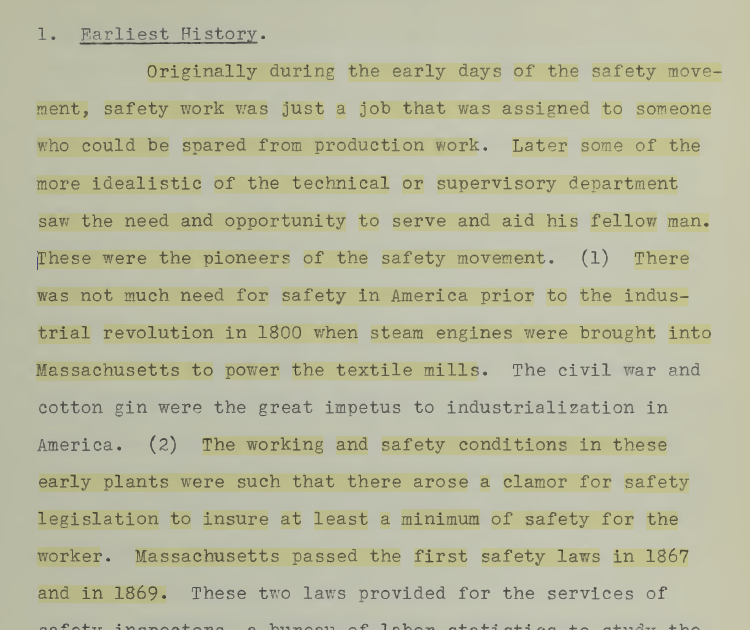
1948: History of the safety field, importance of trust, and severity vs frequency rates
Want to know the cutting edge, new-fangled ideas of industrial safety? Read on. Oh, and it’s from 1948. ** PS. Check out my YouTube: https://youtube.com/@safe_as_pod?si=nrKljK0AeUZXTOgd Extracts: History of Safety– · “Originally during the early days of the safety movement, safety work was just a job that was assigned to someone who could be spared from production… Continue reading 1948: History of the safety field, importance of trust, and severity vs frequency rates
Safe As: Can metrics make us make worse decisions?
Does counting change what counts? If we create business indicators on things we’d like to monitor, like injuries, profits, tendering, productivity, do we inadvertently focus on managing the numbers instead of the core issues?
Can AI chatbots make you remember things that didn’t happen?
Can AI chatbots make you remember things that didn’t happen? In controlled experimental settings – yes it turns out. A week after watching crime videos, people convinced by chatbots were 3x more likely to recall false memories than controls.
 SafetyInsights.org