
An interesting critique of Scientific Management approach from 1912. Great title – ‘fetishism of scientific management’. The author argues that: · Scientific Management isn’t even that ‘new’, and is kind of what they’ve always done (…where have we heard that argument before?) · Says it takes away from the craftsmanship of people and that people are the… Continue reading “The fetishism of scientific management” – a 1912 criticism
Tag: education
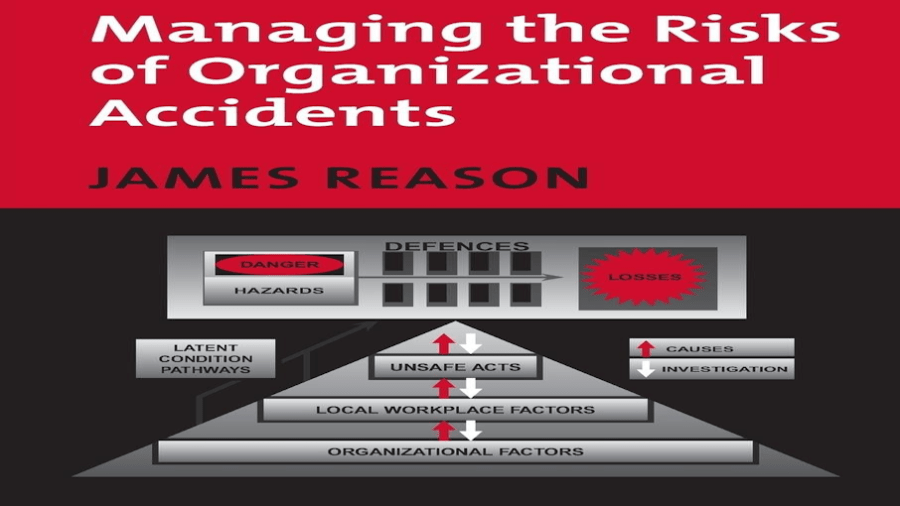
A life of Reason: A mini-compendium of James Reason’s contributions
Seems fitting to cover some work from James Reason and to reflect on his enduring impact on our professional work, thinking and models. I’ve focused more on articles I’ve summarised or posted an image extract of, or could find a full-text article for. It’s NOT systematic. I’ve also included articles not from Reason but whom… Continue reading A life of Reason: A mini-compendium of James Reason’s contributions

Factors affecting learning from incidents: A cross-industry review
This study systematically reviewed the research to unpack the factors that influence learning from incidents (LFI). Likely nothing new to anybody, but it is a good reference paper for tracking down specific research. Background: · Common reasons for ineffective LFI are “underreporting of incidents (Sanne, 2008), incapacity to identify latent circumstances (Jacobsson et al., 2009), the… Continue reading Factors affecting learning from incidents: A cross-industry review
Foundations of Safety Science: Resilience Engineering and safety as the presence of capacities
More extracts from Foundations of Safety Science, this time from Ch.11 on Resilience Engineering and the adaptive perspective. This is 1 of probably 2 or 3 more posts. Some extracts: These logics come from a wider body of safety science, which includes some intertwined positions, like: Parts 2 & 3…some other time. Ref: Dekker, S.… Continue reading Foundations of Safety Science: Resilience Engineering and safety as the presence of capacities
 SafetyInsights.org