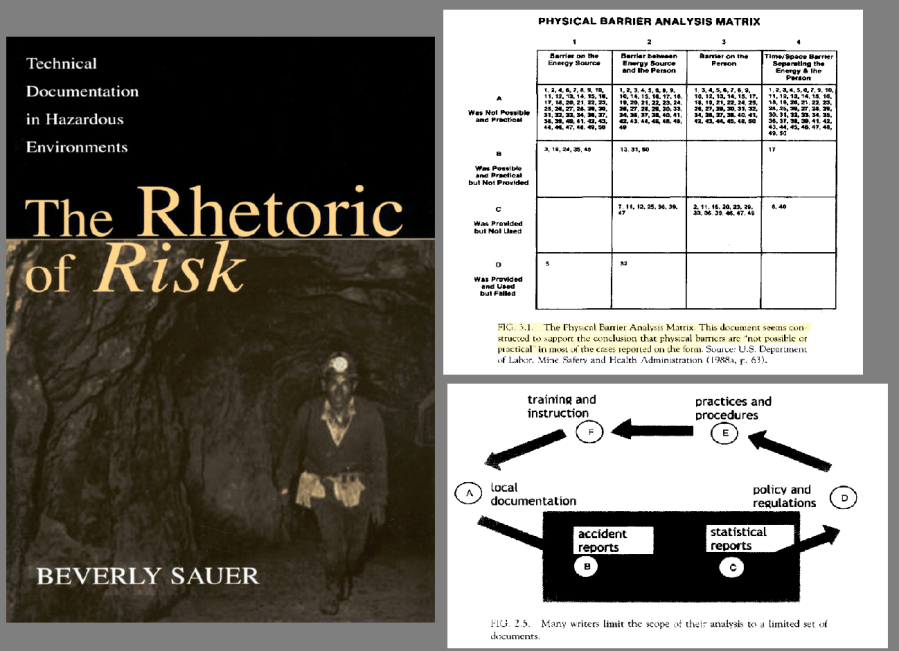
What if sometimes the investigation template has written the findings before anyone investigates?
In Beverly Sauer’s interesting ‘Rhetoric of Risk’, she examines a US mining agency’s Physical Barrier Analysis Matrix. Via 50 accidents, it recorded that physical barriers were “not possible or practical” in most of them.
For Sauer, this form “seems constructed to support” that conclusion, which therefore “might exempt management from responsibility for protecting workers”.
Elsewhere, a 1985 memo remarked on 10 deaths in under 5 years at mines run by one operator group – with seven via roof falls. She examined seven investigation reports and observed the same formula: workers were allowed under a known loose roof.
The causes were identified seven times, and the record doesn’t show anyone acting on the pattern.
Hence, her conclusion was “The accident-reporting structure becomes an activity in itself”.
And, “The activity of reporting becomes a formulaic act that has no rhetorical force beyond the agency’s requirements for documentation”.
And this is seen as a banal mechanism. Our forms, categories, templates, and institutional logics shape what investigations look for, what they construct as causal, and investigations can end up seeking “only the information they need to complete a particular form”.
One reporting template provided the accident narrative just a single box only one inch high. And training bulletins showed people how to write accident narratives in the agency’s chosen language.
For Sauer, reports can end up repeating the agency’s existing worldview of how accidents happen.
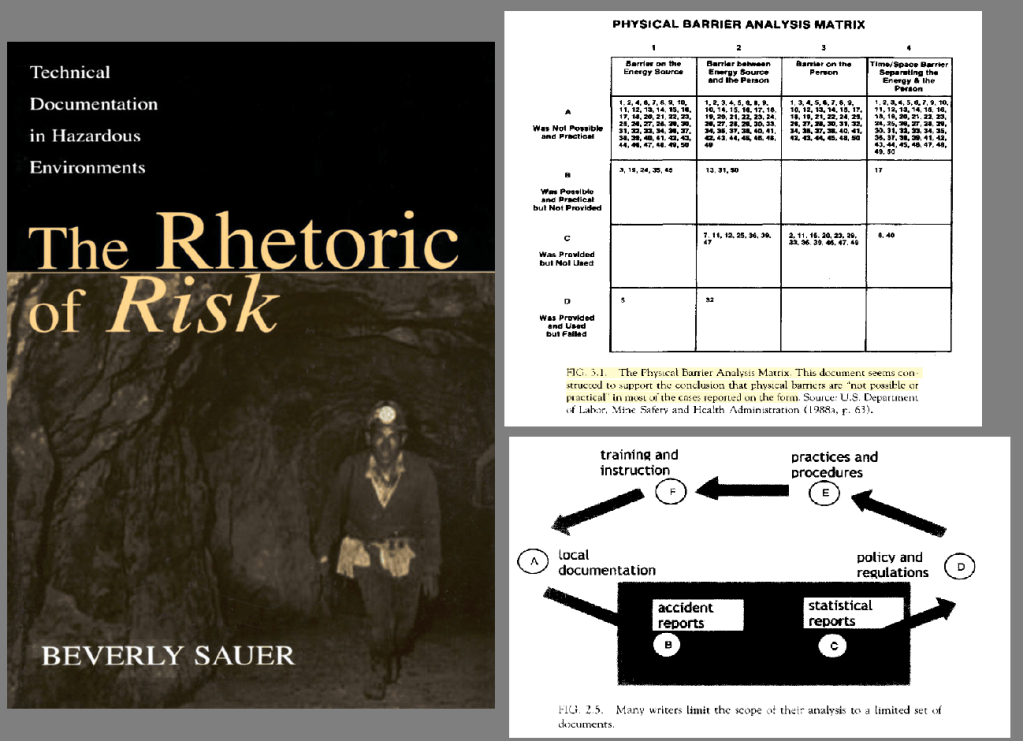
She discusses the cycle of information flow. Witness accounts become one official narrative, that narrative becomes codified, and codes become statistics. In one such case, a 34% rise in accidents was observed – but notes that a change in reporting rules had likely, on their own, pushed the number of “major injuries” reported up by about 30%.
Hence, the change in figures came about from a change in counting, not from worsening conditions.
Based on Sauer’s book, it seems like our investigation & reporting frameworks should clearly articulate barrier/control effectiveness, evaluate whether anything changed from the last Groundhog day event, and provide insights into what witnesses actually said.
This book could easily be a dozen different posts, so I’ll end it there.
PS. Check out my YouTube: https://youtube.com/@safe_as_pod?si=V2dbdmW–WbnhzA9
Shout a coffee: https://buymeacoffee.com/benhutchinson
#safetyscience #sif #workplacesafety #miningsafety #constructionsafety


