This NSW prosecution unpacks officer duties, reasonably practicable, and expected systems of training and audit. It resulted from a workplace fatality, when a worker used a high pressure water spray gun to clean a tank, which had MEK resin. An explosion occurred. Extracts: · A director said he “had never completely read the occupational health and… Continue reading Prosecution unpacking officer duties, reasonably practicable, and expected systems of training and audit
Author: Ben Hutchinson
Electrocution in the construction industry: a systematic review (full PDF)
This systematic review of electrocutions in the construction industry may interest some. Not a summary. NB. Open access licence permits the uploading of the PDF. Extracts: · “contact with overhead power lines was the most frequent and fatal, accounting for approximately 39–40% of incidents” · “direct contact with power sources above 220 V represented about 36% of cases”… Continue reading Electrocution in the construction industry: a systematic review (full PDF)

Safe As: Are AI models BS’ing you?
Are AI models BS’ing you? Do they have such an indifference–a lack of understanding even–about the truth, that their outputs constitute BS? (PS. This paper, and episode, isn’t critical of agentive models, LLM etc. or their value per se). Source: Hicks, M. T., Humphries, J., & Slater, J. (2024). ChatGPT is bullshit. Ethics and Information… Continue reading Safe As: Are AI models BS’ing you?
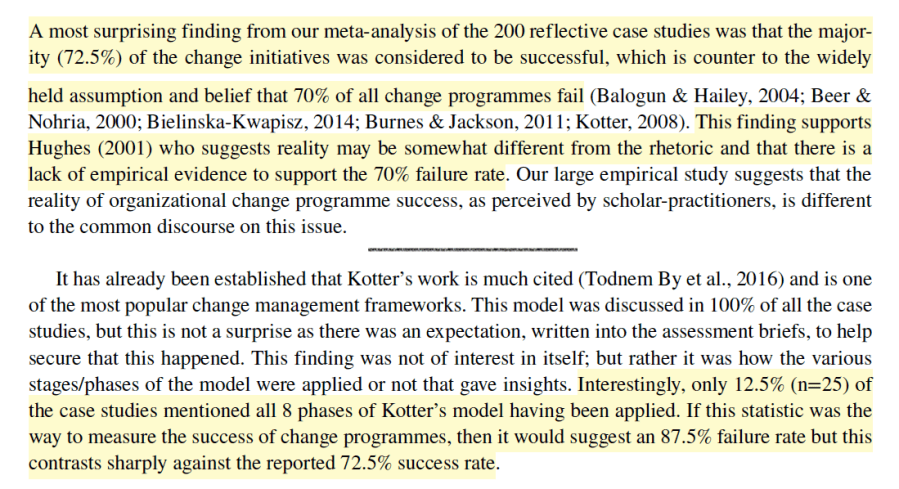
70% of all major change efforts in organizations … succeed?
70% of all major change efforts in organizations … succeed? lolwut? Not much to say – found these findings mildly interesting, based on analysis of 200 case studies from manager/Hr professionals describing a change initiative. And probably no surprise: · “using Kotter’s change model, which has been long established, does not necessarily mean success” · “nor does… Continue reading 70% of all major change efforts in organizations … succeed?

‘Boomerasking’: The annoying habit of asking a question only to answer it yourself
Just recorded a YT shorts on this amusing topic: ‘boomerasking’ Where “A coworker asks if you had a good weekend, then without responding to your answer, goes on to share about his own awesome Saturday night at a rock concert or birthday party”. Hence: “Like a boomerang that returns to its thrower, people who boomerask… Continue reading ‘Boomerasking’: The annoying habit of asking a question only to answer it yourself

Safe As: Is tired driving as deadly as drunk driving?
This covers three lab studies comparing cognitive performance between extended time awake vs alcohol intoxication (lab only, not real or simulator driving studies…But if there’s interest I’ll cover some of those, too)

Safe As: Why AI falls for human mind games: testing human persuasion on AI LLMs for shady stuff
Why AI falls for human mind games – testing human persuasion techniques on AI LLMs to entice them to break their own internal rules. https://youtube.com/shorts/jAYJOEiuTwE?si=SN5x1U4k1ZImZy4d

The fifth paradox of safety: New article from Erik Hollnagel
Are our efforts to make ‘safety’ more measurable actually making it harder to manage? New article from Erik Hollnagel is available on his site – discussing four paradoxes from James Reason, and then his own fifth addition. See attached image. Links to the article in comments. PS. Check out my new YouTube channel. If you… Continue reading The fifth paradox of safety: New article from Erik Hollnagel
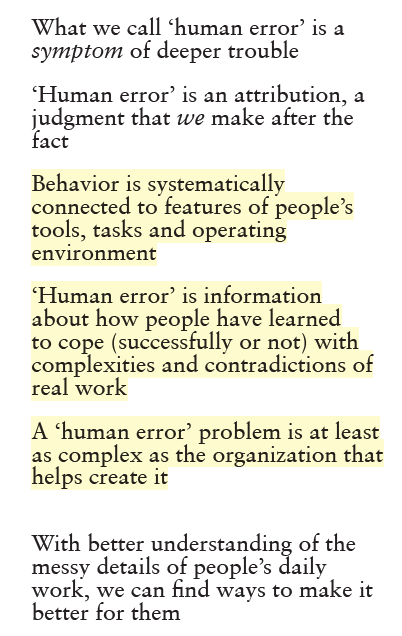
“A ‘human error’ problem is at least as complex as the organization that helps create it” – Dekker
“Behavior is systematically connected to features of people’s tools, tasks and operating environment” — and — “A ‘human error’ problem is at least as complex as the organization that helps create it” Some extracts I like from Dekker’s classic ‘Field Guide to Understanding Human Error’ (3rd ed in this case). Just a lazy post, as… Continue reading “A ‘human error’ problem is at least as complex as the organization that helps create it” – Dekker

Risk information source preferences in construction workers
What source do workers prefer for informing on risk? 106 UK frontline construction workers were surveyed, from a single building site. More extracts in comments. Extracts: · In this study, “supervisors and safety managers were the most preferred sources of risk information overall”, but further analysis “suggested that workers’ risk information source preference is risk dependent… Continue reading Risk information source preferences in construction workers
 SafetyInsights.org