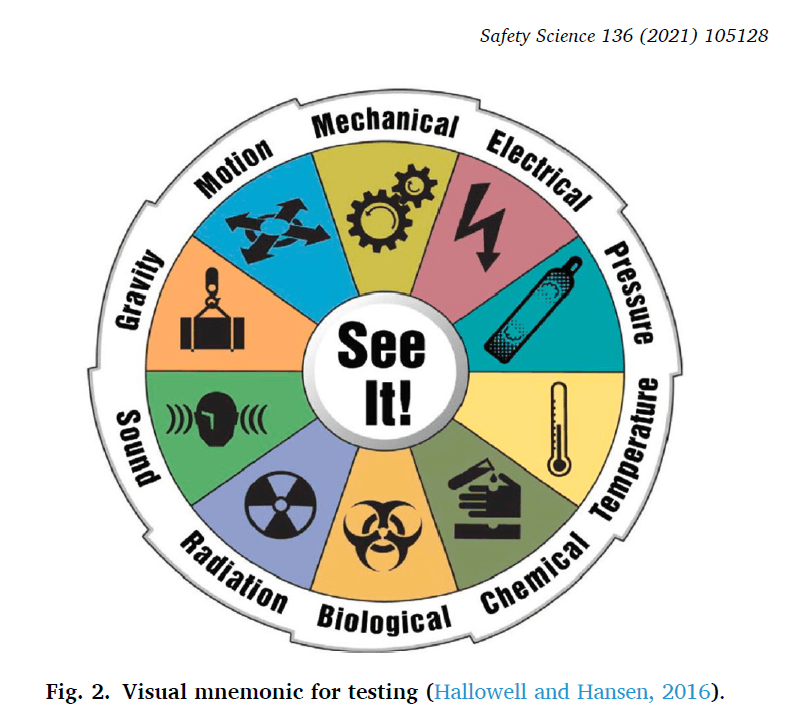
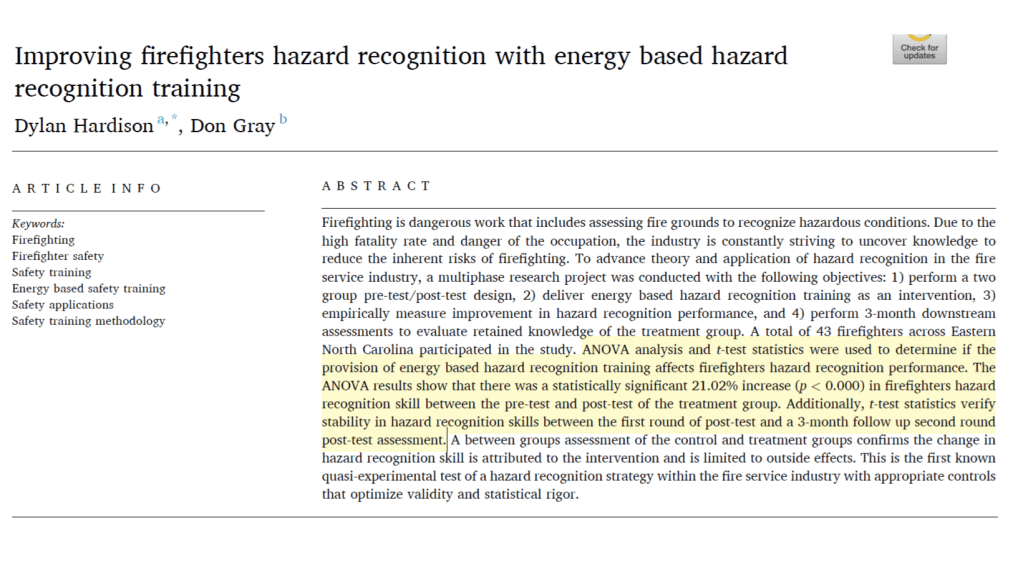
Does energy-based hazard recognition training improve firefighter HAZID?
This tested energy-based hazard recognition on 43 US firefighters pre & post, and 3 months later, employing a control group.
PS. Check out my YouTube: https://youtube.com/@safe_as_pod?si=V2dbdmW–WbnhzA9
Shout a coffee: https://buymeacoffee.com/benhutchinson
Extracts:
• “Hazard recognition is often regarded as the first step in the safety management process …When safety hazards remain unrecognized, the likelihood of exposure and injury increases substantially”
• “Albert et al. (2014) suggests that hazard identification methods fall into two distinct categories” – predictive & retrospective
• “Predictive methods rely on the ability to foresee hazardous conditions that can lead to accidents … [and] typically involve identifying hazards associated with planned work”, e.g. JSAs/SWMS, investigations, risk assessments
• Though it’s “infeasible to expect fire department personnel to predict hazard conditions for all types of events that can occur … As a result, hazard assessments must be made spontaneously while on fire scenes”
• Retrospective methods “pull from past experiences (West and Krompinger, 2005) and from similar work environments and fire scenes”
• While both methods are useful, “predictive methods may fail to address adjacent operations, changes in response scope, operational methods, and scene conditions”
• “All hazards can be conceptualized as sources of energy that, if released, could cause injury or death”
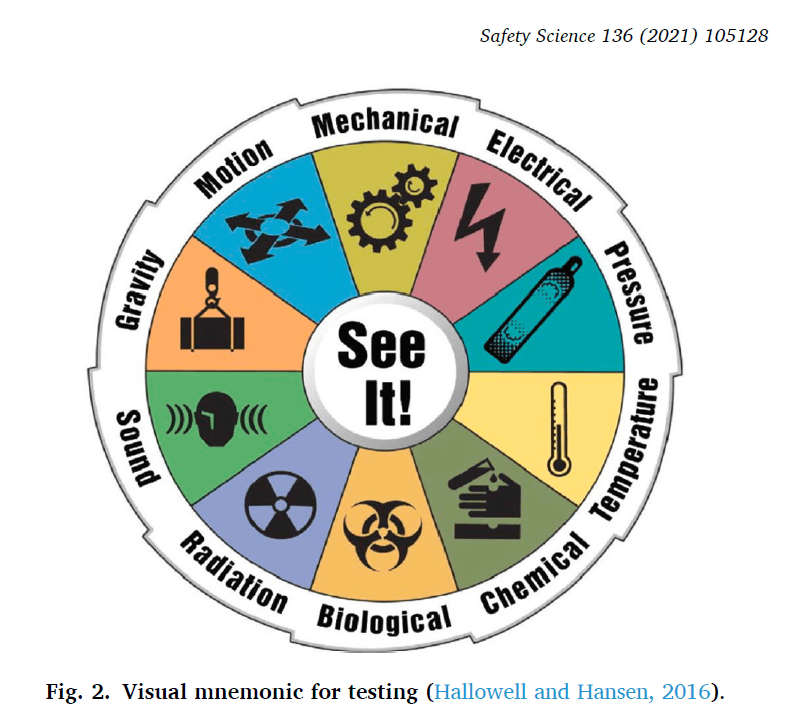
• Prior work from Albert found EBS hazard recognition training were “improved by an average of 27% with a confidence level of p < 0.000”
• This study found a “statistically significant 21.02% increase (p < 0.000) in firefighters hazard recognition skill between the pre-test and post-test of the treatment group”
• Specifically, pre-training HAZID was 22.15% of all hazards, and 43.17 post-training
• And these benefits persisted at the 3-month follow-up testing period for 16 randomly selected firefighters
• They ruled out benefits from a placebo video also, finding no statistically significant difference in HAZID
• Interestingly, “the results indicate there is no overall effect of years of firefighting experience on firefighters’ hazard recognition capability”
• Hence, more experienced firefighters didn’t identify more hazards (but there are other benefits of experience, of course)
Study link: https://doi.org/10.1016/j.ssci.2020.105128
#ebs #workplacesafety #sif #safetyscience #hazard #risk #constructionsafety #firefighting


