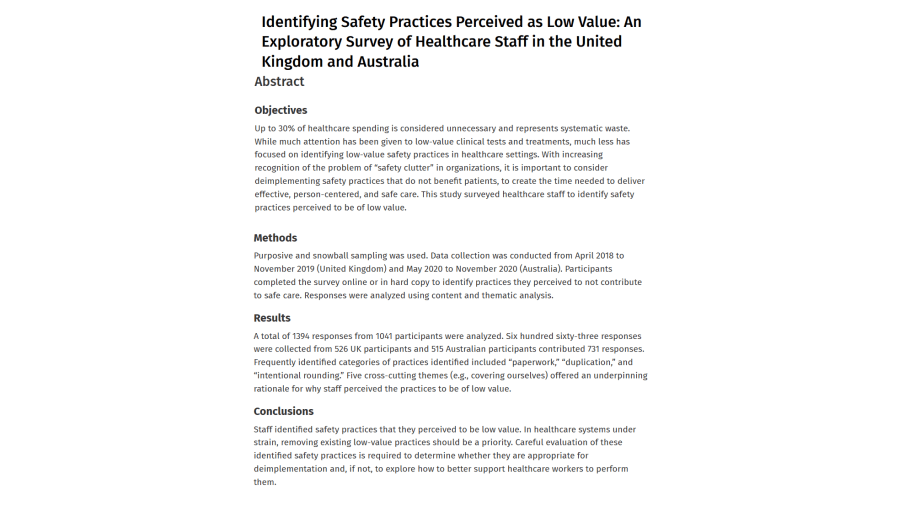
This study explored safety practices perceived as low value in healthcare. Data came from 1041 participants across Australia & the UK. They argue that this is an important area to unpack given the prevalence of safety clutter, and research highlight the extent of “ineffective practices and systemic waste in healthcare services, with evidence that up… Continue reading Identifying Safety Practices Perceived as Low Value: An Exploratory Survey of Healthcare Staff in the United Kingdom and Australia
Author: Ben Hutchinson
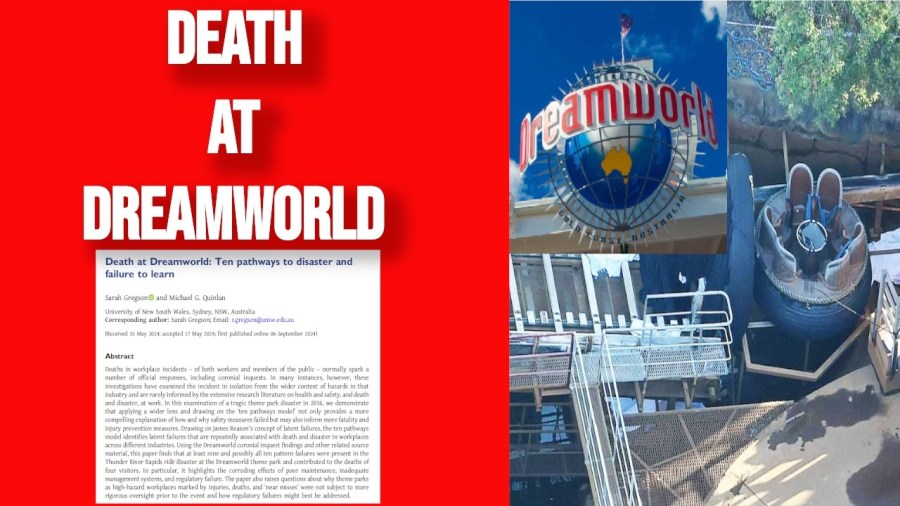
Death at Dreamworld – the pathways to failure
This episode unpacks the tragic Dreamworld Thunder Rapids ride disaster, exploring how poor maintenance, inadequate management systems, weak auditing, and regulatory oversight created the conditions of failure. Source is from Sarah Gregson and Michael Quinlan – Michael is on my Q&A soon discussing the pathways to failure, subcontractor safety and more. Note. Apologies again for… Continue reading Death at Dreamworld – the pathways to failure
Don’t rely on weekend sleep catch-up: sleep loss and metabolic dysregulation
Sleep is a cornerstone of health and wellness, with sleep deprivation linked to poor health, early death, and higher rates of illnesses. Yet, there seems to be a myth that we can catch up on sleep on the weekend, to balance out poor weeknight sleep. Some research challenges this assumption: not only are we NOT… Continue reading Don’t rely on weekend sleep catch-up: sleep loss and metabolic dysregulation
Improving Construction Site Safety with Large Language Models: A Performance Analysis
This preliminary, proof of concept study explored the effectiveness of GPT-4o in construction visual hazard recognition. They contrasted performance against OHS experts. Source was **static images** from Google and real construction sites (not real-time video analysis). The LLM & experts were asked to rate the hazard, justify their judgement, and assess the immediate issues, use… Continue reading Improving Construction Site Safety with Large Language Models: A Performance Analysis

The Consequences of Poor Human Factors at a Super Critical Coal Power Plant – A Case Study
This brief paper explored some human factors matters relating to an incident in a super critical coal power plant. Note – I’ve skipped most of the actual event’s background and details. So if you need to know, check out the paper. Briefly, the relevant plant was in a start-up phase. There was a six-way TLO… Continue reading The Consequences of Poor Human Factors at a Super Critical Coal Power Plant – A Case Study

Sidney Dekker: Why moving from just culture to restorative culture is critical
How is just culture different to a restorative culture? Should we prioritise restorative approaches? Professor Sidney Dekker discusses how traditional just culture often focuses on rule violations and consequences. Instead, restorative approaches asks who was impacted, what they need, and whose obligation it is to meet those needs. This shift from a retributive to a… Continue reading Sidney Dekker: Why moving from just culture to restorative culture is critical
Science of Remote Work: Boosting Productivity and Employee Retention
How does working from home (aka WFH, hybridwork & #remotework) affect productivity, and job quitting and performance? A large study based at Trip dot com explores these questions, and more.
Free webinar I’m hosting: How Can My Investigations Suck Less? Safety Science 101
Have you ever asked yourself, ‘Why do our investigations suck?’. If so, this is the webinar for you. With a frantic, caffeine-fuelled pace, I’m racing through dozens of safety science studies on common investigation pitfalls, effectiveness, and unspoken, but critical, assumptions. And, importantly, providing some evidence-informed suggestions on how to marginally improve. Registration: https://luma.com/p8z4avyr AEST:… Continue reading Free webinar I’m hosting: How Can My Investigations Suck Less? Safety Science 101
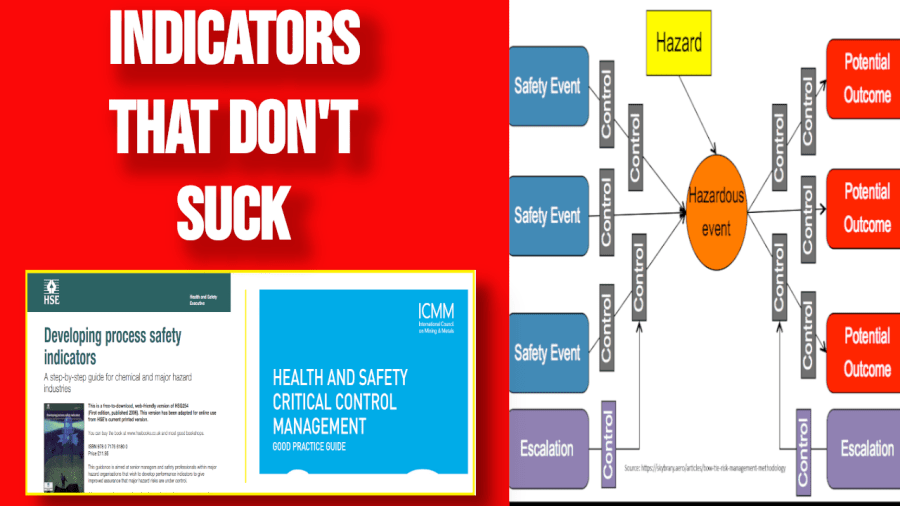
Indicators that suck less: Risk control system indicators
How can you develop better indicators targeting the effectiveness of your risk control system? This episode draws on a few sources, including the HSE UK’s HSG254 and the ICMM’s critical control framework, among others, outlining an approach to safety indicators that targets measuring the most important elements of your risk control systems. PS. Sorry about… Continue reading Indicators that suck less: Risk control system indicators
 SafetyInsights.org