
This is long overdue – but I wanted to cover some of the work from these giants who have played a significant part in modern safety thinking. Focus is on articles I’ve written about or used extracts from, or could find a full-text link for, and higher-cited articles. It’s not systematic – and unfortunately a… Continue reading An ode to Drs Richard Cook, Jens Rasmussen & Bob Wears: A mini-compendium of their legacies
Author: Ben Hutchinson

I did a thing: Podcast discussion about false safety, safety management failures and follies of auditing
James Kell from Scratchie and I recently caught up to chat about safety and organisational stuff. Podcast: https://www.scratchie.com/post/ben-hutchinson-safety-paradox-conversation Covered a bit of ground including my research on false safety in management systems and audits, incentives and more. Was a cool chat but we had little background on what each other did. I felt a bit… Continue reading I did a thing: Podcast discussion about false safety, safety management failures and follies of auditing

Zombie leadership: Dead ideas that still walk among us
A really interesting read about ‘zombie leadership’ ideas. Not a full summary, so check out the paper. Zombie ideas are a “residual commitment to an older set of ideas which have been repeatedly debunked but which nevertheless resolutely refuse to die”, taken from zombie economics. They apply this to leadership. They say that zombie ideas… Continue reading Zombie leadership: Dead ideas that still walk among us
Fukushima was a disaster “Made in Japan” according to the independent commission
Gotta love these really poetic parts of major accident inquiries… This from the Fukushima independent commission:“What must be admitted – very painfully – is that this was a disaster “Made in Japan.” AND “Its fundamental causes are to be found in the ingrained conventions of Japanese culture: our reflexive obedience; our reluctance to question authority;… Continue reading Fukushima was a disaster “Made in Japan” according to the independent commission
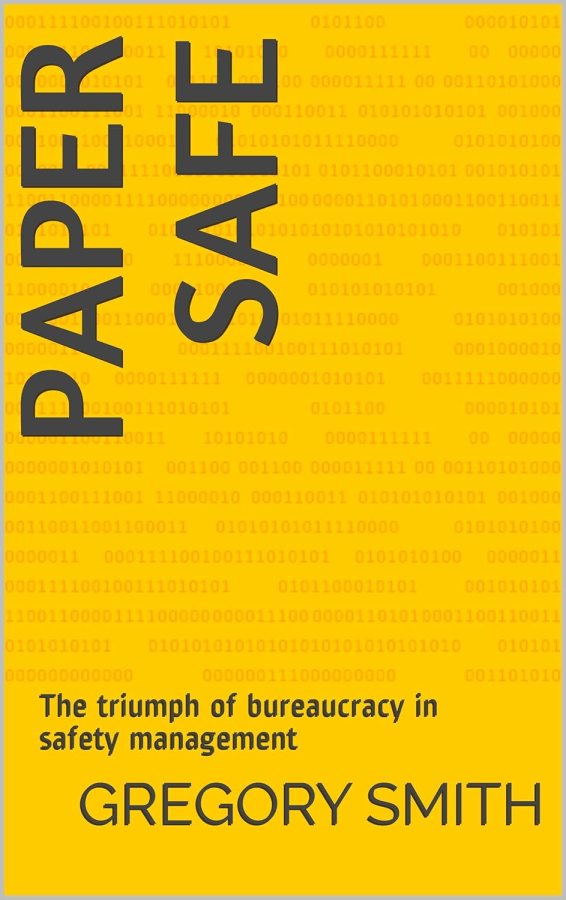
Safety metrics and reports “make no contribution to proving the effectiveness of our crucial systems” – Paper Safe, Greg Smith
A few apt extracts from Greg Smith’s excellent ‘Paper Safe’. If you’ve not yet read this or Proving Safety, then do yourself the favour. Greg argues: · Many indicators in use are measures of activity and usually tell us something has been done · But, “They tell us nothing about the quality or effectiveness of the activity”… Continue reading Safety metrics and reports “make no contribution to proving the effectiveness of our crucial systems” – Paper Safe, Greg Smith

1000 post milestone
Pretty chuffed to have hit my arbitrary goal of 1000 posts. No doubt a belated Festivus miracle. Allowing for shrinkage (promotional posts, reposts etc.), that means there’s probably ~800-900 studies discussed on my site. Not including the compendiums. The search engine works pretty well – so plug in whatever things you want to learn about.… Continue reading 1000 post milestone

“The fetishism of scientific management” – a 1912 criticism
An interesting critique of Scientific Management approach from 1912. Great title – ‘fetishism of scientific management’. The author argues that: · Scientific Management isn’t even that ‘new’, and is kind of what they’ve always done (…where have we heard that argument before?) · Says it takes away from the craftsmanship of people and that people are the… Continue reading “The fetishism of scientific management” – a 1912 criticism
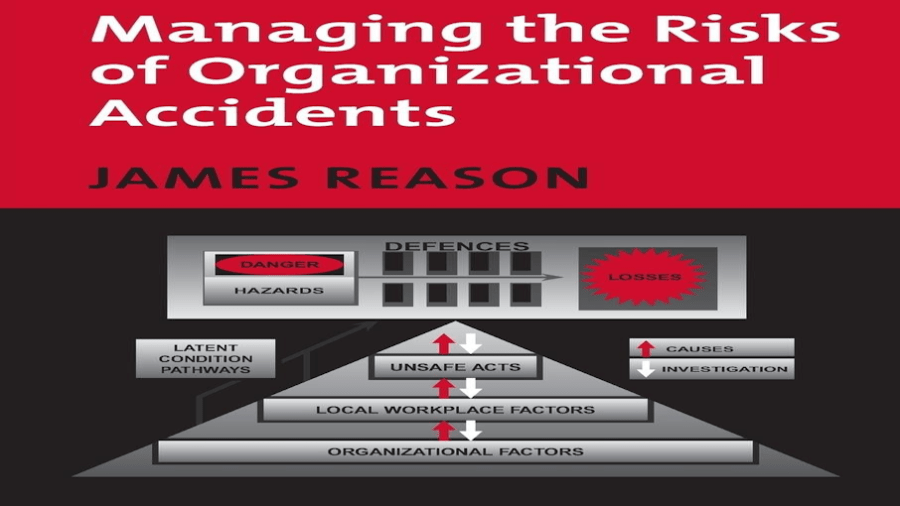
A life of Reason: A mini-compendium of James Reason’s contributions
Seems fitting to cover some work from James Reason and to reflect on his enduring impact on our professional work, thinking and models. I’ve focused more on articles I’ve summarised or posted an image extract of, or could find a full-text article for. It’s NOT systematic. I’ve also included articles not from Reason but whom… Continue reading A life of Reason: A mini-compendium of James Reason’s contributions
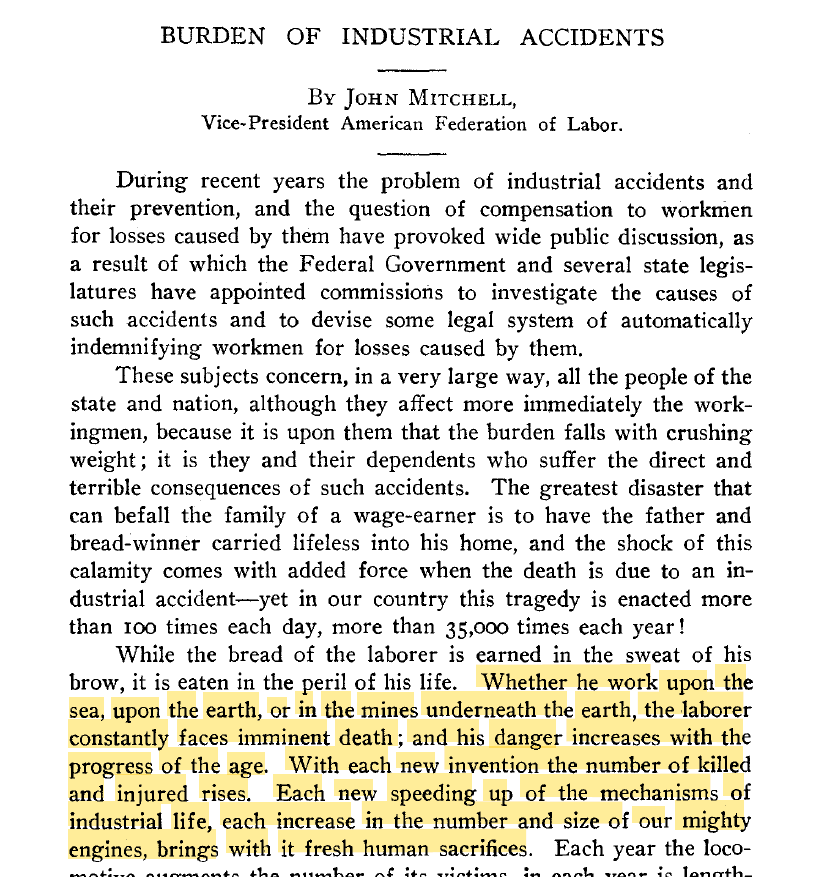
Economic progress brings with it ‘fresh human sacrifices’ in workplace accidents: 1911 article
Another article from 1911. This explores the societal burden of industrial accidents. The writer sounds pretty disgusted by the state of play in the US compared to Europe. This dude was like a poet – remarking about the progress of mighty industrial engines bringing with it “fresh human sacrifices”. Some extracts: · “Whether he work upon… Continue reading Economic progress brings with it ‘fresh human sacrifices’ in workplace accidents: 1911 article
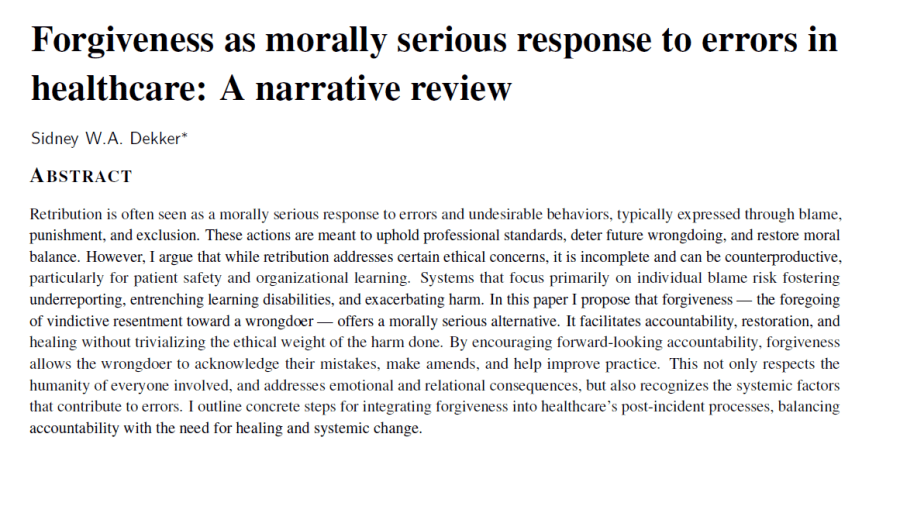
Forgiveness as morally serious response to errors in healthcare: A narrative review
An interesting and recent discussion paper from Sidney Dekker, exploring forgiveness as a ‘morally serious response’ to incidents, as opposed to retributive approaches. Tl;dr: · “while retribution addresses certain ethical concerns, it is incomplete and can be counterproductive, particularly for patient safety and organizational learning” · “Systems that focus primarily on individual blame risk fostering… Continue reading Forgiveness as morally serious response to errors in healthcare: A narrative review
 SafetyInsights.org