Prof Sidney Dekker’s view on the role of #BBS in modern organisational safety approaches. PS. Make sure to Like, Comment, Share, and Subscribe. I have one of, if not the biggest, names in BBS and safety culture coming up soon! #behavioralsafety #humanfactors #safety
Is fatigue and shift work injuring you?
How risky is your current shift work schedule – are you more likely to be injured during night shifts, or what about the fourth shift compared to the first? This ep breaks down some of the links between fatigue, shift work schedules and work-related injury.
Towards a Worker-Centered Framework for Categorizing Procedural Adaptations
This paper applied a worker-centred framework for categorising procedural adaptations, via observing >1.4k procedural steps. Shared via an open access licence. ** PS. Check out my YouTube: https://youtube.com/@safe_as_pod?si=nrKljK0AeUZXTOgd Extracts: · “Safety science has developed extensive taxonomies for categorizing human performance failures but lacks equivalent vocabulary for describing successful work performance, leaving practitioners without adequate language to… Continue reading Towards a Worker-Centered Framework for Categorizing Procedural Adaptations
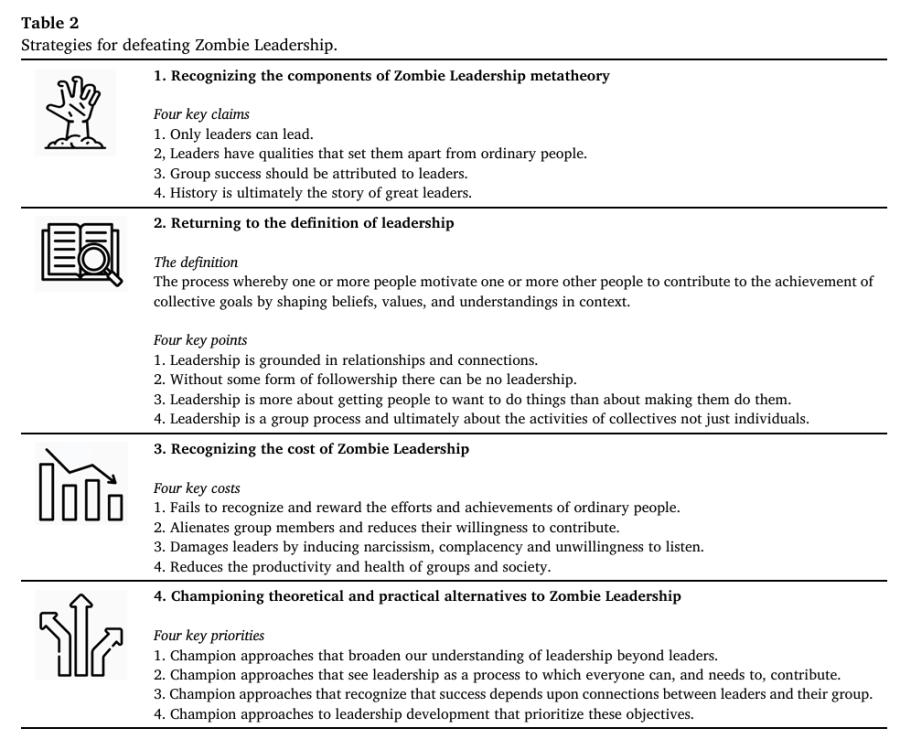
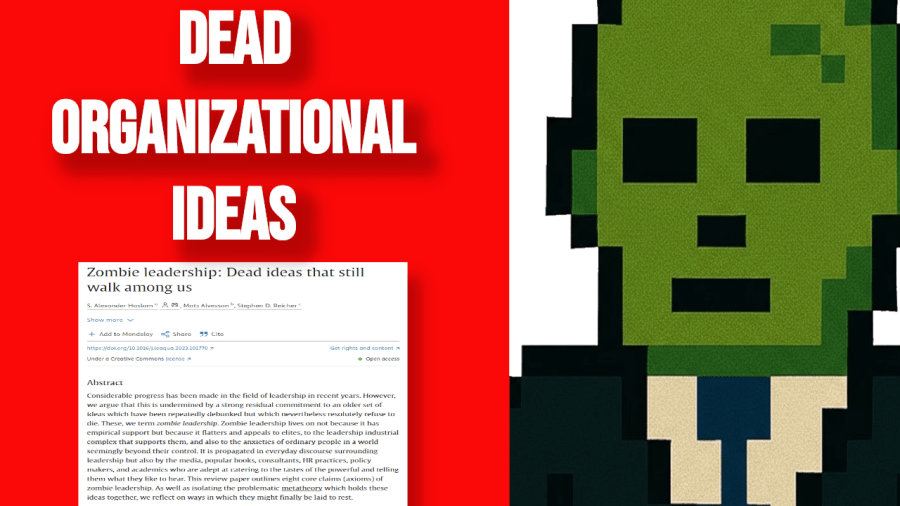
Axioms of ‘dead’ leadership beliefs and ideas
A follow-up on yesterday’s post about zombie leadership – said to be “strong … commitment to an older set of ideas which have been repeatedly debunked but which … refuse to die”. Zombie leadership is presented in several outdated axioms – like reducing leadership to the leader alone, or there being special qualities held by… Continue reading Axioms of ‘dead’ leadership beliefs and ideas
Transforming Safety Culture: A Systemwide High Reliability Approach to Preventing Serious Harm in Healthcare
This studied whether High Reliability Organising (HRO) interventions improved serious safety events (SSE), reporting and aligning leadership with frontline practice. Was a retrospective observational design across 12 hospitals, between 2021-24. Usual limitations & cautions apply with these sorts of designs and measures. ** Check out my YouTube channel: https://www.youtube.com/@Safe_As_Pod Extracts: · The HRO intervention included leadership… Continue reading Transforming Safety Culture: A Systemwide High Reliability Approach to Preventing Serious Harm in Healthcare
Daniel Kahneman: Theory-induced blindness
Just a simple extract from Daniel Kahneman’s Thinking Fast and Slow, with Kahneman discussing his idea of ‘theory-induced blindness’. This is such where we embed an idea, theory or tool so well into our thinking and routines, that we become blind to its flaws (potentially in the face of contradictory evidence). It seems to tie… Continue reading Daniel Kahneman: Theory-induced blindness
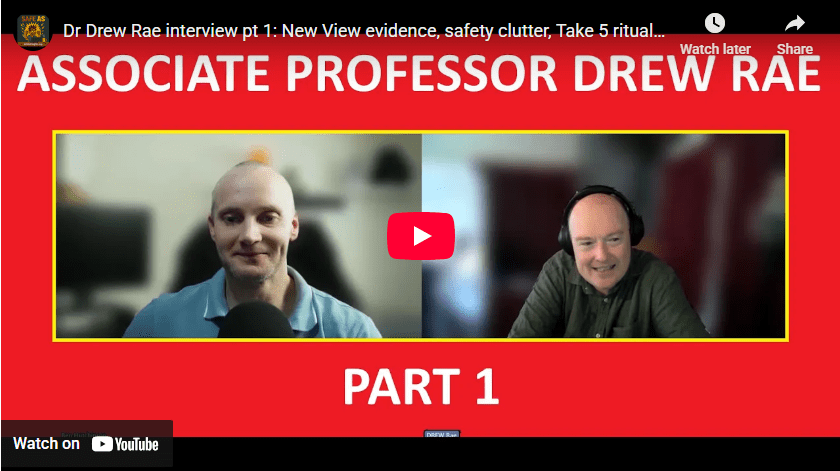
Part 1 interview with Dr Drew Rae: New View evidence, safety clutter, risk assessments, Take 5 rituals + more
Part 1 interview with Associate Professor Drew Rae: New View evidence, safety clutter, value and evidence of risk assessments, Take 5 rituals + more More interviews on the way – including two leading global construction safety experts (you’ll know them), a data expert who traced the history of injury frequency rates, a leading behavioural and… Continue reading Part 1 interview with Dr Drew Rae: New View evidence, safety clutter, risk assessments, Take 5 rituals + more
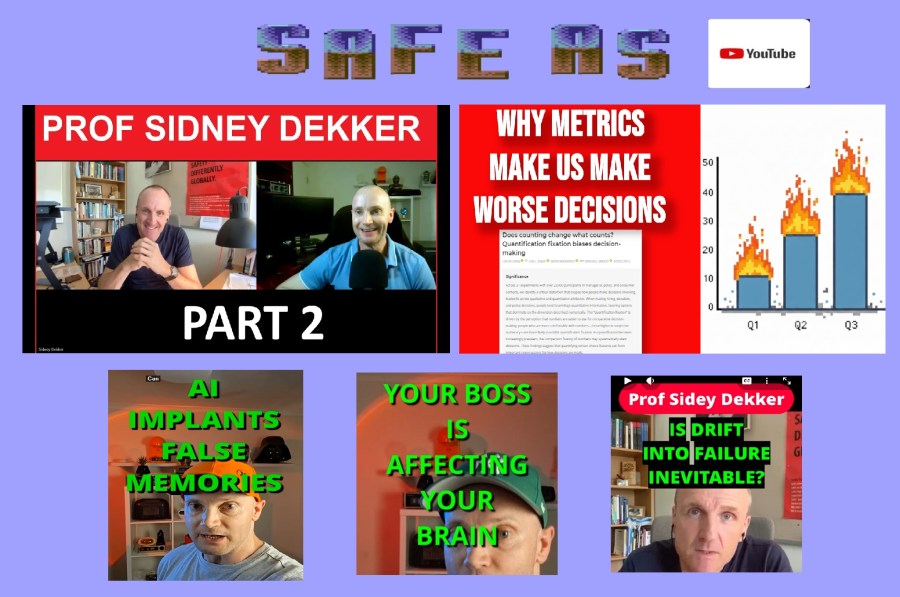
Safe As Week in review: Dekker on behavioural safety/BBS, how measuring/quantifying harms us, AI & false memories, and leaders &mental health
Did you check out my Safe As YouTube channel this week? Link: https://youtube.com/@safe_as_pod?si=Zgpi0MVb8JdhliKl We covered: 1. Part 2 interview with Prof Sid Dekker, covering behavioural safety, simplistic slogans like zero harm, and KPIs and measures 2. ‘Quantification fixation’ and how counting and measuring can shift our focus to managing the numbers over the core issues… Continue reading Safe As Week in review: Dekker on behavioural safety/BBS, how measuring/quantifying harms us, AI & false memories, and leaders &mental health

