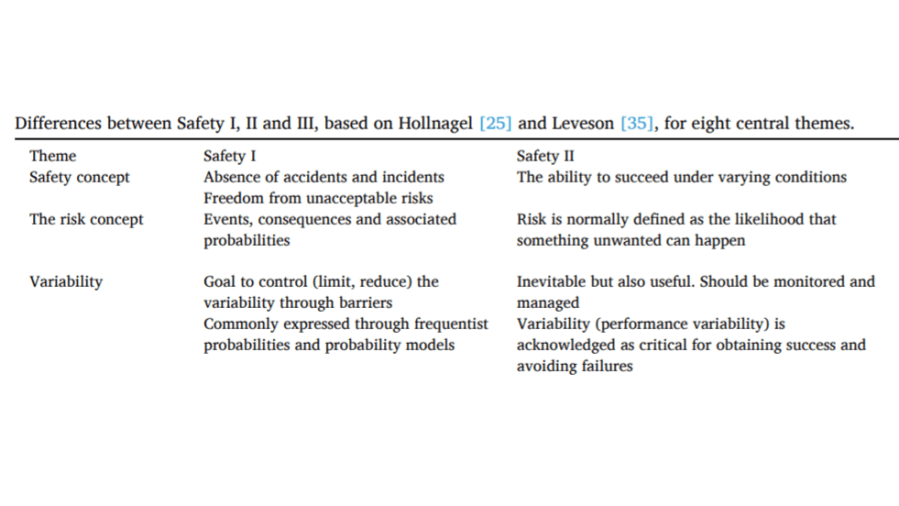
A recent discussion prompted the question of what is and is not Safety-II – or really any other facet of the adaptive philosophies. Here you’ll find several extracts from the research covering definitions, key concepts and more. Check out my YouTube channel: https://youtube.com/@safe_as_pod?si=sZmhFw3gB3ubXjzK Safety-I, Safety-II, HOP, Safety Differently, New View and Safety-III** A recent discussion… Continue reading Research Compendium: Definitions: Safety-II, Resilience Engineering, HOP, New View, Safety Differently (update: 01/26)

Mini-Comp: Psychosocial Risks / Mental-Ill Health / Psychological Injury
“wHeRe iS tHe eViDeNcE fOr pSyChOsOcIaL risks?!1?!11” I can’t be bothered repeatedly linking to the dozens of systematic reviews and meta-analyses on the connections between psychosocial factors and various indices of health, safety, and organizational performance on LinkedIn. So, I’m just compiling a few into a mini-collection. WAY WAY WAY too much to systematically cover… Continue reading Mini-Comp: Psychosocial Risks / Mental-Ill Health / Psychological Injury

Compendium: Rules / Procedures / Procedural Departure / Writing Procedures
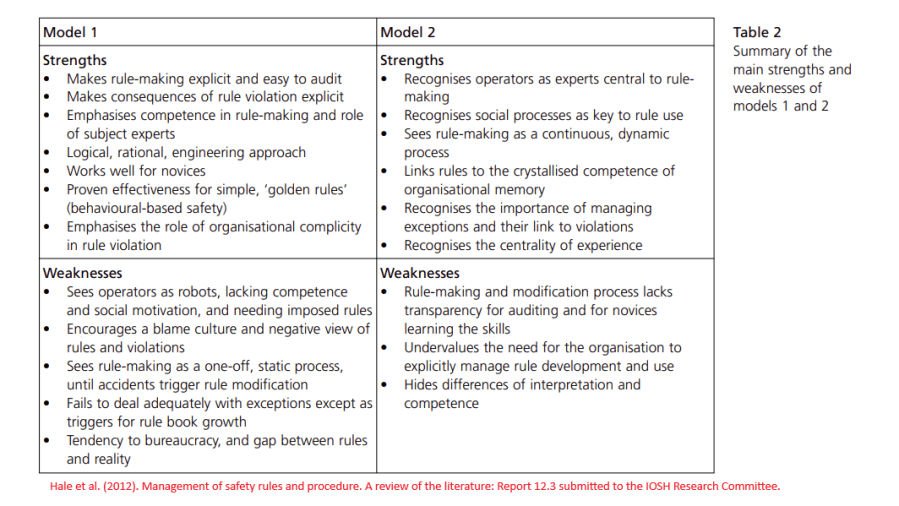
This mini-compendium covers a range of papers talking generally about rules and procedures. This includes the role, benefits and risks of rules, writing better rules incorporating HF/E and human-centred design, some literature specifically on workarounds, and then papers on rule departures and more. Feel free to shout a coffee (one-off or recurring monthly) if you’d… Continue reading Compendium: Rules / Procedures / Procedural Departure / Writing Procedures
Compendium: An ode to Andrew Hopkins & Andrew Hale
Two researchers & authors who have had a big impact on my practice and thinking are Andrew Hale and Andrew Hopkins. Thankfully, I was exposed to their work right at the start of my safety career. Why two Andrews? Why not three? I don’t know. Just two people who influenced my thinking around the same… Continue reading Compendium: An ode to Andrew Hopkins & Andrew Hale
Compendium: Leadership / Safety Leadership / Leaders Behaving Badly / Followership
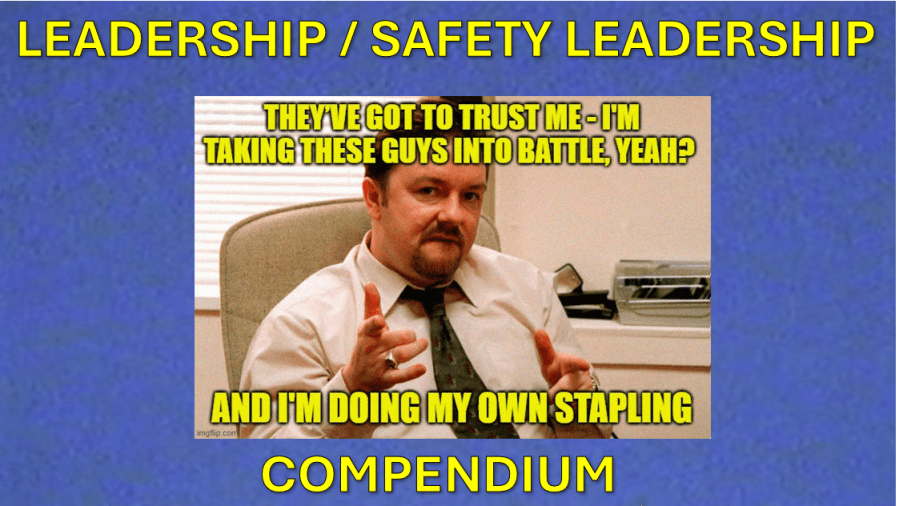
Here’s a mini-compendium of research surrounding leadership, safety leadership and followership. NOT systematic – there’s way too much to cover in this space. Focus is on the links between leadership attributes / interventions on indices of performance. The other focus is on studies I’ve either summarised or could locate a full-text link for. ** For… Continue reading Compendium: Leadership / Safety Leadership / Leaders Behaving Badly / Followership
Compendium: Cultural approaches to safety / Safety Culture / Safety Climate / Org Culture
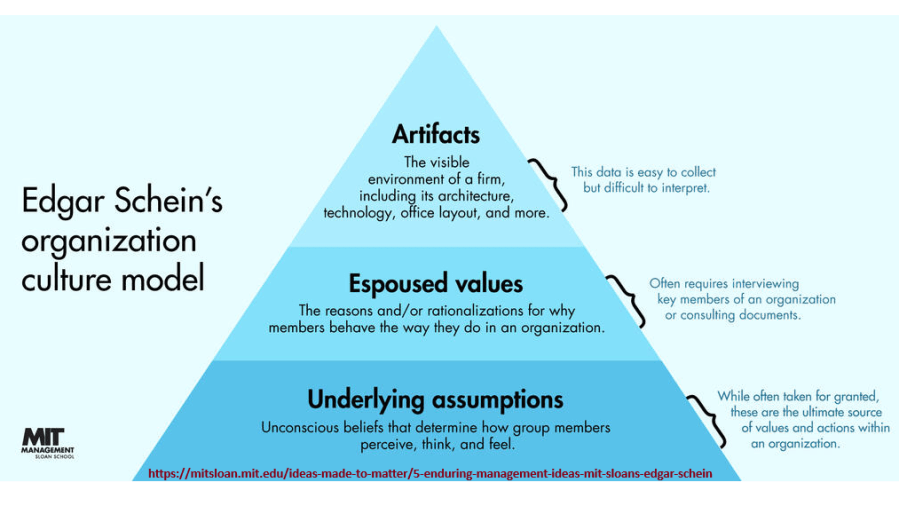
It’s no secret that I’m relatively cautious of ‘Safety Culture’. (** At least, I fall more into the interpretative, than functionalist, camp). Nevertheless, I get the question of evidence often, so here it is. A compendium of studies focused on organisational culture, culture of safety, safety culture and safety climate. Because there’s so many studies… Continue reading Compendium: Cultural approaches to safety / Safety Culture / Safety Climate / Org Culture

Compendium: Evidence For Safety Interventions (meta-analyses, systematic reviews)
Does ‘safety’ work? What is the evidence supporting the stuff we do? This mini-compendium collects several meta-analyses and systematic reviews surrounding the evidence of safety interventions on performance measures. Focus is primarily on incident/injury rather than health; nor psychosocial, safety climate & culture, HF/E, or leadership (those will be covered another time). Also haven’t focused… Continue reading Compendium: Evidence For Safety Interventions (meta-analyses, systematic reviews)
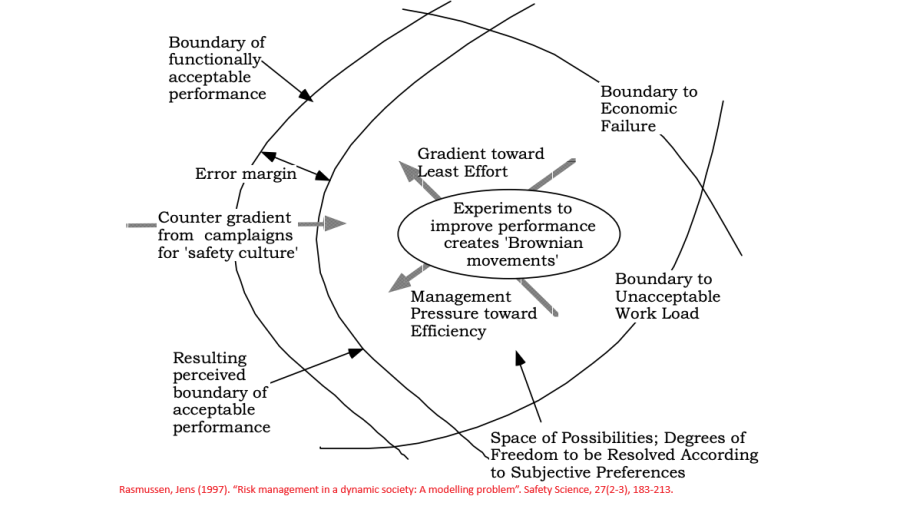
Compendium: Complex systems, sociotechnical, system safety
This mini-compendium covers some areas of systems thinking and complex adaptive systems, mostly with a focus on safety and risk. There are so many threads in the systems fields: systems thinking, systems engineering, systems safety, complexity, chaos, complex adaptive systems, cybernetics, variations thereof and more. Hence, I can’t cover them all, so it’s a highly… Continue reading Compendium: Complex systems, sociotechnical, system safety

Compendium: SIFs, Major Hazards, Fatal & Traumatic hazards, risks
This is an expansion to my prior compendium on Critical Controls, Barriers and Energy thinking. Suggest you read that in conjunction to this, link here: Barriers, Critical Controls, Verifications, Energy Models If you’re after indicators check this mini-compendium out: Safety & Risk Performance indicators (lead, lag, drive, process safety + more) This compendium focuses on articles… Continue reading Compendium: SIFs, Major Hazards, Fatal & Traumatic hazards, risks

Compendium of Nancy Leveson: STAMP, STPA, CAST and Systems Thinking
Although I don’t often mention or post about Leveson’s work, she’s probably been the most influential thinker on my approach after Barry Turner. So here is a mini-compendium covering some of Leveson’s work. Feel free to shout a coffee if you’d like to support the growth of my site: Check out my YouTube channel: https://youtube.com/@safe_as_pod?si=sZmhFw3gB3ubXjzK… Continue reading Compendium of Nancy Leveson: STAMP, STPA, CAST and Systems Thinking

Compendium: Sleep & Fatigue Risk Management
Here’s an assortment of papers on sleep and occupational fatigue. Focus is on articles I’ve summarised or full-text I could locate. A few themes are covered: Feel free to shout a coffee if you’d like to support the growth of my site: Check out my YouTube channel: https://youtube.com/@safe_as_pod?si=sZmhFw3gB3ubXjzK Sleep & Fatigue https://www.academia.edu/30709111/Fatigue_proofing_A_new_approach_to_reducing_fatigue_related_risk_using_the_principles_of_error_management https://jcsm.aasm.org/doi/pdf/10.5664/jcsm.9512 https://www.academia.edu/7558212/A_Model_to_Predict_Work_Related_Fatigue_Based_on_Hours_of_Work https://doi.org/10.1016/j.aap.2021.106398… Continue reading Compendium: Sleep & Fatigue Risk Management
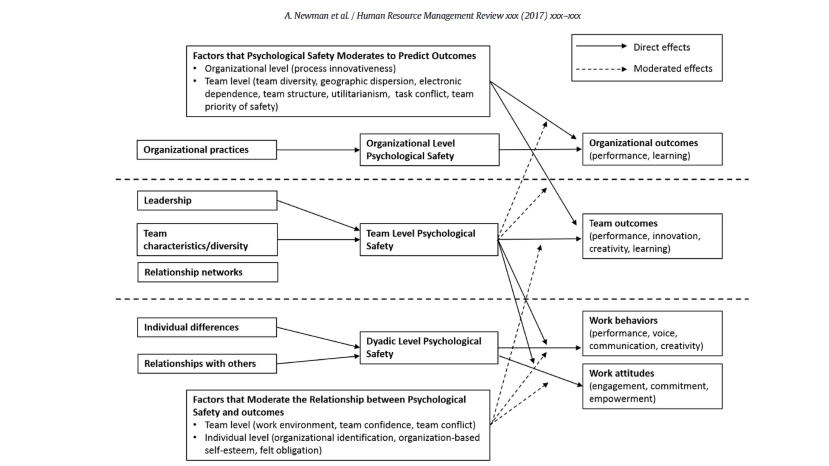
Mini-Compendium: Psychological Safety
Given the prominence of Psychological Safety (PS), it’s worth sharing some research. It’s likely among the most studied modern concepts in organisational theory – so I can barely scratch the surface. Focus first is articles I’ve summarised, and then on any other full-text items I can find. In my haste, I’ve probably included some psychological… Continue reading Mini-Compendium: Psychological Safety

Mini-Compendium: Power, Safety, Authority Gradients, and the Power of Elites
Here’s some articles, mostly full-text links, exploring power within organisations. Includes broader social power, power gradients, voice, and more. Feel free to shout me a coffee if you’d like to support the growth of my site: Check out my YouTube channel: https://youtube.com/@safe_as_pod?si=sZmhFw3gB3ubXjzK Full-Text Articles [Below link will say ‘Discursive effects of safety science’. Download it… Continue reading Mini-Compendium: Power, Safety, Authority Gradients, and the Power of Elites
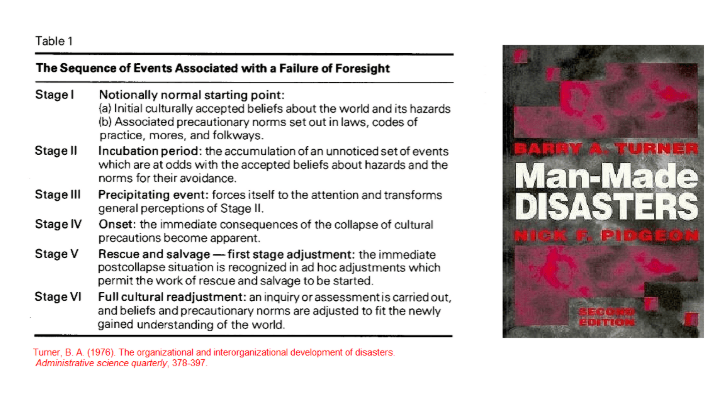
Foresights before disaster: An ode to Barry Turner
So while I don’t often explicitly refer to the late Barry Turner’s work on LinkedIn or regularly post his articles, he’s been the most influential researcher on my own work and is tacitly embedded in my language and thinking. If you’ve heard of Man-Made Disasters, disaster incubation, perceptual horizon, decoy phenomena, failures of foresight (and… Continue reading Foresights before disaster: An ode to Barry Turner
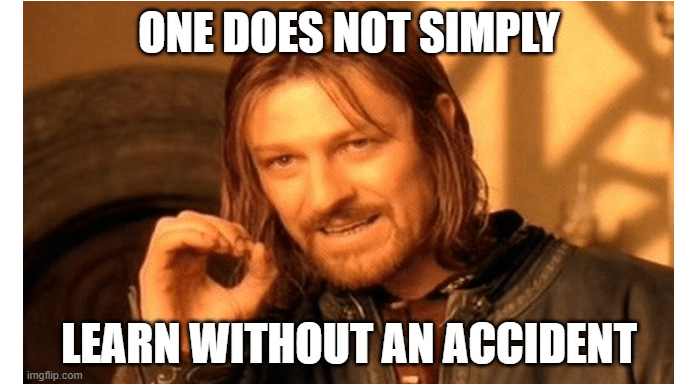
Compendium: Learning and improvement without incidents
Here’s a mini-compendium of…well, probably a lot of stuff with only a tenuous link to ‘learning’. I tried to focus on learning that doesn’t require incidents, but you’ll find those here, too. There’s >100 articles, mostly full-text. I think I went overboard. Unfortunately, it’s barely sorted. It includes: Check out my YouTube channel: https://youtube.com/@safe_as_pod?si=sZmhFw3gB3ubXjzK Shout… Continue reading Compendium: Learning and improvement without incidents

Mini-Compendium: Investigations & Corrective Action Limitations / Bias / Underreporting
This compendium covers a few elements of investigations, investigation limitations and biases, priming, underreporting and more. Because of the breadth of these topics, this sample is pretty limited and biased to my own interests and what I’ve either written about or could find a full-text link for. It also doesn’t cover many investigation methods (if… Continue reading Mini-Compendium: Investigations & Corrective Action Limitations / Bias / Underreporting

An ode to Drs Richard Cook, Jens Rasmussen & Bob Wears: A mini-compendium of their legacies
This is long overdue – but I wanted to cover some of the work from these giants who have played a significant part in modern safety thinking. Focus is on articles I’ve written about or used extracts from, or could find a full-text link for, and higher-cited articles. It’s not systematic – and unfortunately a… Continue reading An ode to Drs Richard Cook, Jens Rasmussen & Bob Wears: A mini-compendium of their legacies
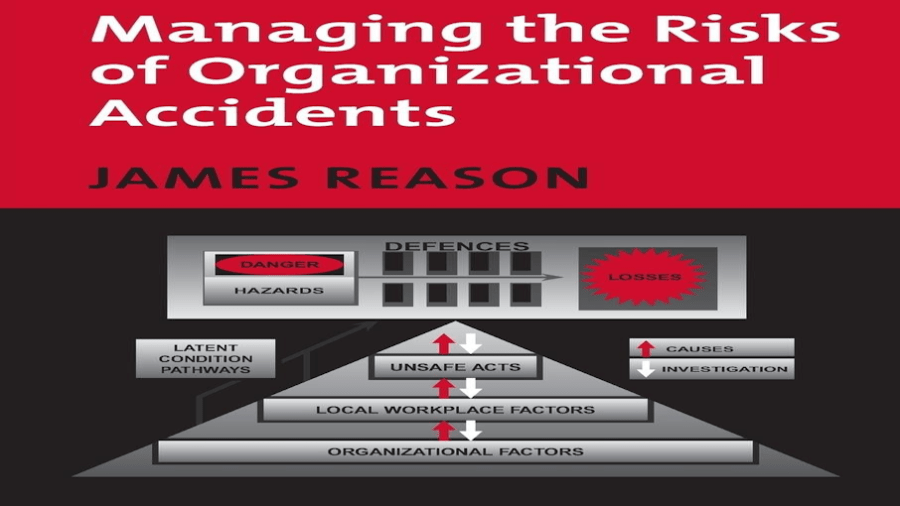
A life of Reason: A mini-compendium of James Reason’s contributions
Seems fitting to cover some work from James Reason and to reflect on his enduring impact on our professional work, thinking and models. I’ve focused more on articles I’ve summarised or posted an image extract of, or could find a full-text article for. It’s NOT systematic. I’ve also included articles not from Reason but whom… Continue reading A life of Reason: A mini-compendium of James Reason’s contributions

Compendium: Blame, Just Culture & language
Here’s another compendium of articles exploring blame and language in the construction of post-hoc causality explanations, or how blame effects learning and investigations. The other part covers some articles around Just Culture and restorative culture. Note: I’ve mostly focused on articles that I’ve either already summarised or that I could find a full text link… Continue reading Compendium: Blame, Just Culture & language

Constructions of “Human Error” (Mini-Compendium)
Here’s a bunch of linked articles (and a video) unpacking the constructs, or uses, of “human error”. (‘Keep calm’ header image source is my own, from a presentation) Welcome any additions. Shout me a coffee Check out my YouTube channel: https://youtube.com/@safe_as_pod?si=sZmhFw3gB3ubXjzK Link: https://safety177496371.wordpress.com/2021/08/05/searching-for-the-origins-of-the-myth-80-human-error-impact-on-maritime-safety/ Link: https://safety177496371.wordpress.com/2025/01/31/hollnagel-on-human-error-error-as-cause-process-or-outcome/ Link: https://safety177496371.wordpress.com/2024/09/05/the-emperors-new-clothes-or-whatever-happened-to-human-error/ Link: https://safety177496371.wordpress.com/2024/07/24/human-error-and-violation-of-rules-in-industrial-safety-a-systematic-literature-review/ Link: https://safety177496371.wordpress.com/2024/07/01/design-rules-based-on-analyses-of-human-error/ Link: https://safety177496371.wordpress.com/2024/06/21/understanding-human-error-in-naval-aviation-mishaps/ Link: https://safety177496371.wordpress.com/2024/05/24/state-of-science-evolving-perspectives-on-human-error/… Continue reading Constructions of “Human Error” (Mini-Compendium)

Research Compendium: Safety & Risk Performance indicators (lead, lag, drive, process safety + more)
This compendium covers several themes relating to safety performance indicators / risk indicators / process safety indicators. The following topics are covered: Note: Check out my YouTube channel: https://youtube.com/@safe_as_pod?si=sZmhFw3gB3ubXjzK Shout me a coffee Indicator Definitions Australian Constructors Association. Lead Indicators Safety Measurement in the Construction Industry: https://www.constructors.com.au/wp-content/uploads/2019/11/Lead-Performance-Indicators-Guideline.pdf Guo, B. H., & Yiu, T. W. (2016).… Continue reading Research Compendium: Safety & Risk Performance indicators (lead, lag, drive, process safety + more)
A Compendium of Research: Barriers, Critical Controls, Verifications, Energy Models
Here’s a collection of papers relating to critical controls, barriers, safeguards, defence-in-depth, verifications and more. Let me know if I’ve missed any bangers. I plan for this to be a live list, so check back occasionally. Check out my YouTube channel: https://youtube.com/@safe_as_pod?si=sZmhFw3gB3ubXjzK Shout me a coffee Critical Controls / CCM / ICMM Critical Control Management in… Continue reading A Compendium of Research: Barriers, Critical Controls, Verifications, Energy Models
A Curious Compendium of ‘Adaptive’ Research (HOP, Safety-II, RE, HRO etc.)
Due to multiple requests – I’ve compiled several papers discussing various aspects of S-II, Resilience Engineering (RE), HOP, HRO and similar. I plan for this to be a live list – so check back occasionally. Let me know if I’ve missed any bangers. Note: Check out my YouTube channel: https://youtube.com/@safe_as_pod?si=sZmhFw3gB3ubXjzK Shout me a coffee Don’t… Continue reading A Curious Compendium of ‘Adaptive’ Research (HOP, Safety-II, RE, HRO etc.)
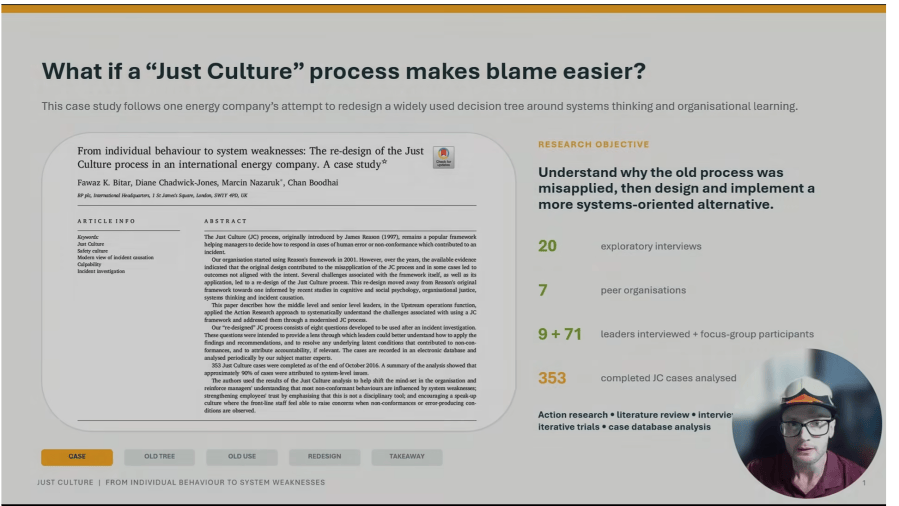
From Blame to Restorative Justice: A Just Culture Tool (HOP / Safety-II / New View)
Do traditional approaches unintentionally blame front-line workers instead of fixing broken organisational systems? This Safe As Quickisode on YouTube unpacks how an international energy company redesigned its Just Culture (JC) framework to shift focus from individual culpability to systemic weaknesses. This company found that traditional approaches relied on judgement terminology, like violation or negligence, and… Continue reading From Blame to Restorative Justice: A Just Culture Tool (HOP / Safety-II / New View)
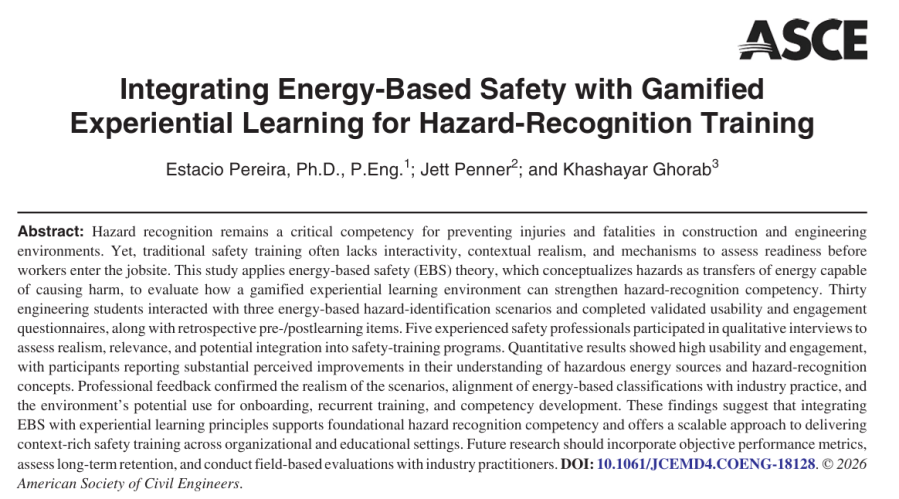
Integrating Energy-Based Safety with Gamified Experiential Learning for Hazard-Recognition Training
Can experiential, gamified learning enhance Energy-Based Safety hazard recognition? This tested desktop & VR scenarios using EBS concepts and surveyed students & experienced practitioners pre and post sessions. PS. Check out my YouTube: https://youtube.com/@safe_as_pod?si=V2dbdmW–WbnhzA9 Shout a coffee: https://buymeacoffee.com/benhutchinson Extracts: · “Traditional training approaches”, e.g. lectures & toolboxes “focus primarily on compliance and information recall rather… Continue reading Integrating Energy-Based Safety with Gamified Experiential Learning for Hazard-Recognition Training
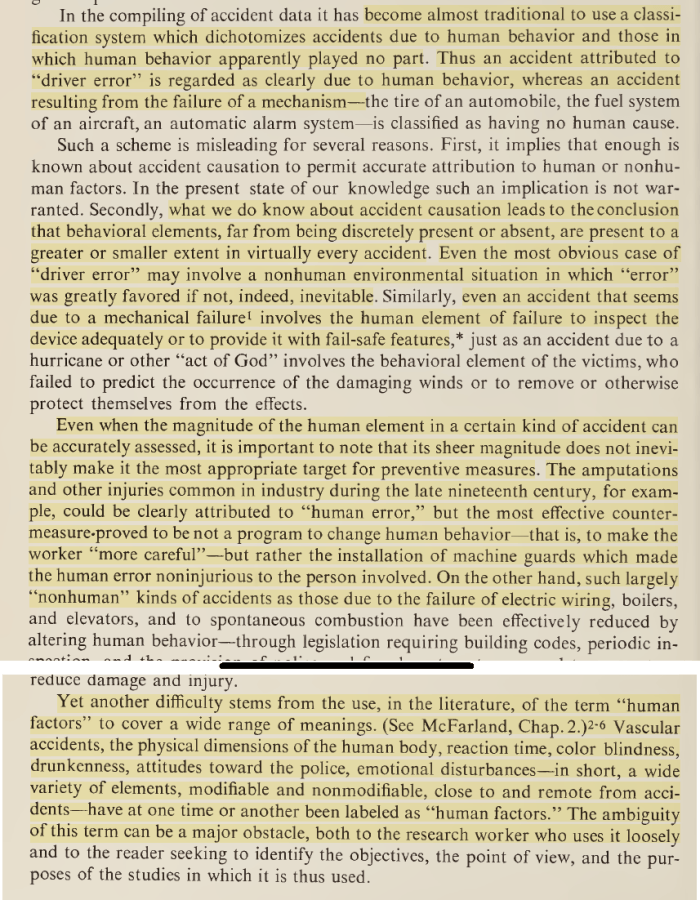
‘Human error’ an insufficient explanation for accidents – insights from 1964
An interesting challenge to the idea of ‘human error’ as a sufficient explanation back in 1964. This is from Haddon, Suchman & Klein’s 1964 book ‘Accident Research: Methods and Approaches’. Their argument is still as relevant today: behaviour is rarely separate from the environment where it occurs. And as of `64, the “ambiguity of this… Continue reading ‘Human error’ an insufficient explanation for accidents – insights from 1964
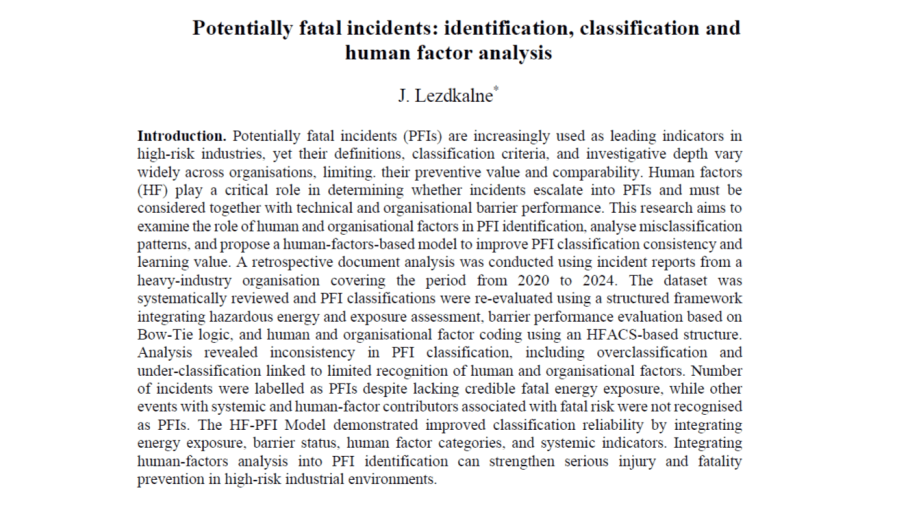
Potentially fatal incidents: Identification, classification and human factor analysis
Are incidents most likely to kill the ones we keep classifying as ‘minor’? This article applied a HFACS, hazardous energy, and barrier performance evaluation framework to 62 investigation reports. PS. Check out my YouTube: https://youtube.com/@safe_as_pod?si=V2dbdmW–WbnhzA9 Shout a coffee: https://buymeacoffee.com/benhutchinson Extracts: · “some events … labelled as PFIs despite lacking credible fatal potential, while others, involving substantial… Continue reading Potentially fatal incidents: Identification, classification and human factor analysis
Dr Linda Bellamy Part 2: Safety indicators, drift, barrier failures & more
What can effective barrier indicators tell us about risk? In part 2 of my interview with Dr Linda Bellamy, we discuss ways organisations can assess whether their critical barriers are present, functioning, maintained and monitored. We also unpack early signs of drift towards major accidents, communication failures across organisational boundaries, the role of mental models,… Continue reading Dr Linda Bellamy Part 2: Safety indicators, drift, barrier failures & more
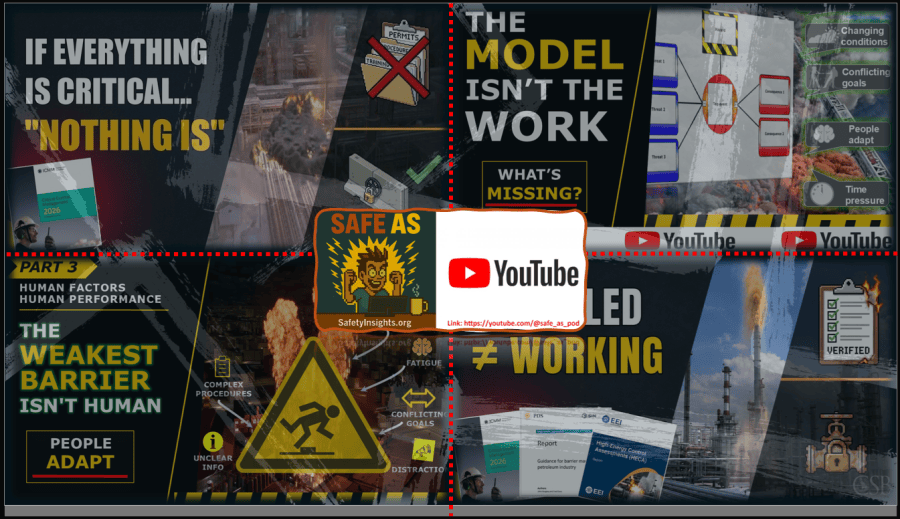
How to Risk Control / Barrier systems succeed & fail? 4 part YouTube series
How do risk control / barrier systems fail and succeed? How do you properly clarify control performance specifications, allow for the strengths of human performance and variability, and properly identify and strength Critical Controls? My 4-part YouTube series unpacks these questions: https://www.youtube.com/playlist?list=PLKM0cz24nufg But here’s a lazy powerpoint capturing some of the key insights from each… Continue reading How to Risk Control / Barrier systems succeed & fail? 4 part YouTube series
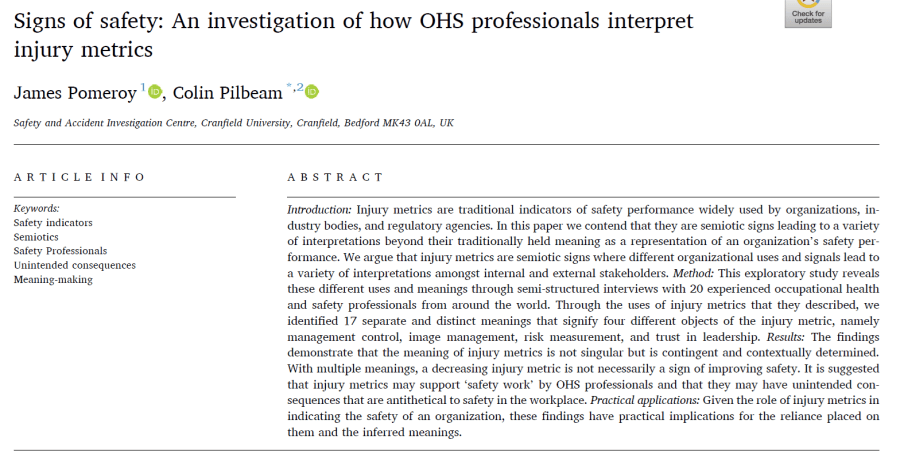
Signs of safety: An investigation of how OHS professionals interpret injury metrics
When your injury rates improve, are people safer or risks better managed, or are people simply better at managing the number? An interesting interview study from James Pomeroy & colleague exploring the uses and meanings of injury metrics from 20 OHS professionals. Shared under an open access licence. PS. Check out my YouTube and recent… Continue reading Signs of safety: An investigation of how OHS professionals interpret injury metrics
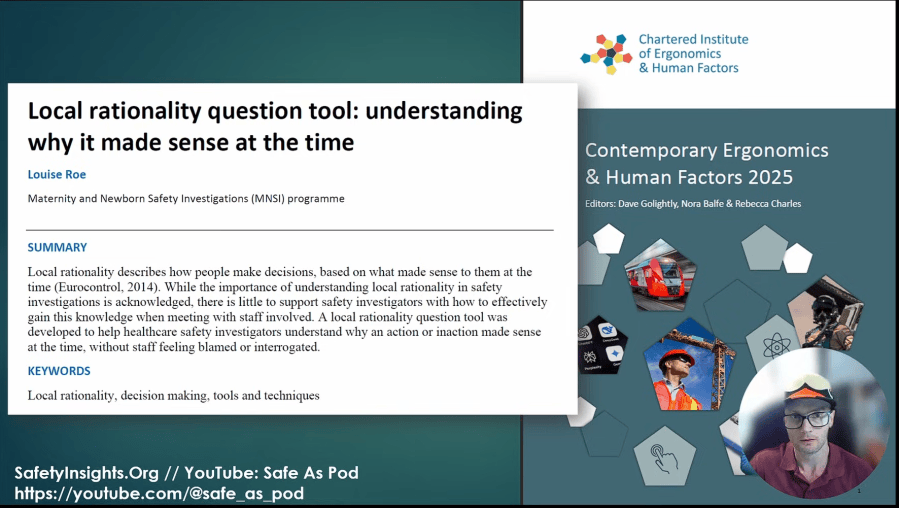
25 questions for better incident investigations // HOP / Safety-II (YT Quickisode)
Do your investigations often conclude when you’ve identified ‘human error’, or a pesky person not following rules? Do you want to improve the quality and depth of your learning opportunities? One way is via local rationality: understanding why decisions & actions made sense to people at the time. It’s a core feature in human factors… Continue reading 25 questions for better incident investigations // HOP / Safety-II (YT Quickisode)
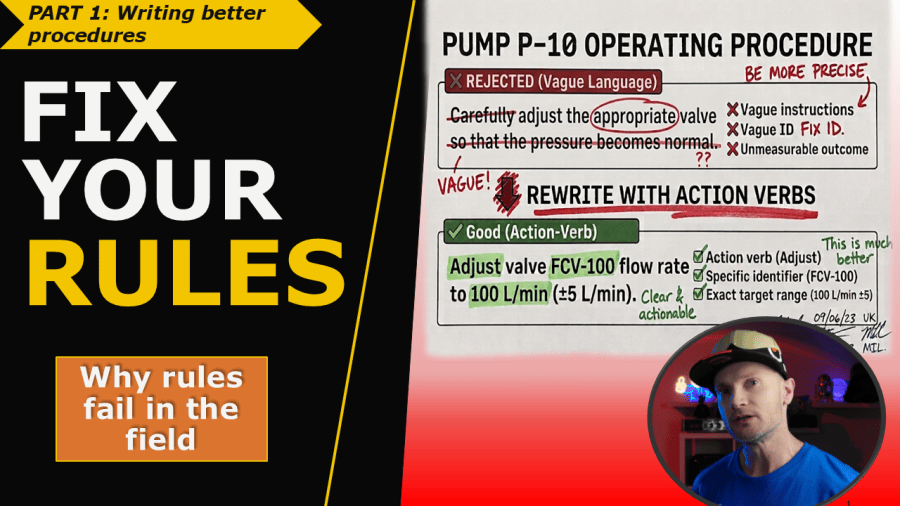
How can you create better procedures? Part 1
“Carefully adjust the appropriate valve until the pressure is normal” On the surface this may seem like a standard instruction, but so many important details are missing. Like: · Which valve? · Adjust it how? · What pressure is ‘normal’? · How would the operator confirm success? Will it be obvious? Some procedures and SOPs… Continue reading How can you create better procedures? Part 1
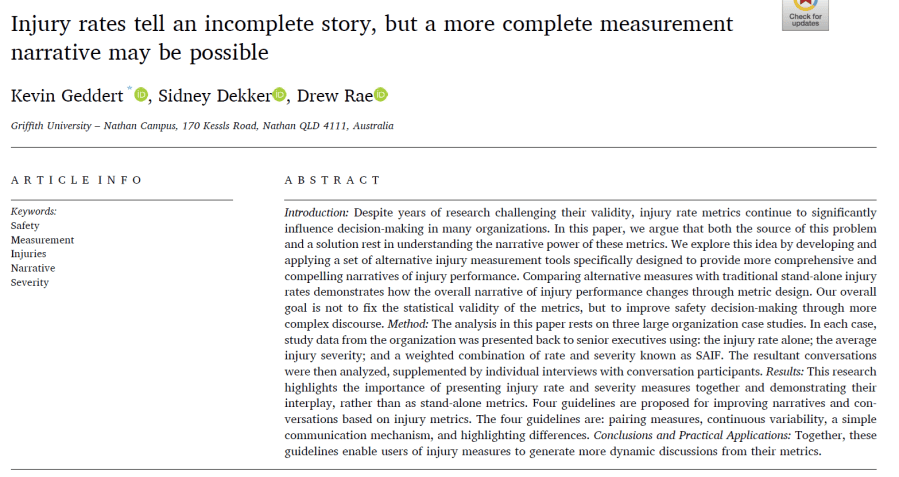
Injury rates tell an incomplete story, but a more complete measurement narrative may be possible
Can the same injury rate tell two different safety ‘stories’? What’s hiding in your story? An interesting read from Kevin Geddert, Sidney Dekker and Drew Rae who explore how injury measures generate different meanings and their consequences. They also discuss the use of SAIF – which is Severity Adjusted Injury Frequency (a weighted combination of… Continue reading Injury rates tell an incomplete story, but a more complete measurement narrative may be possible

