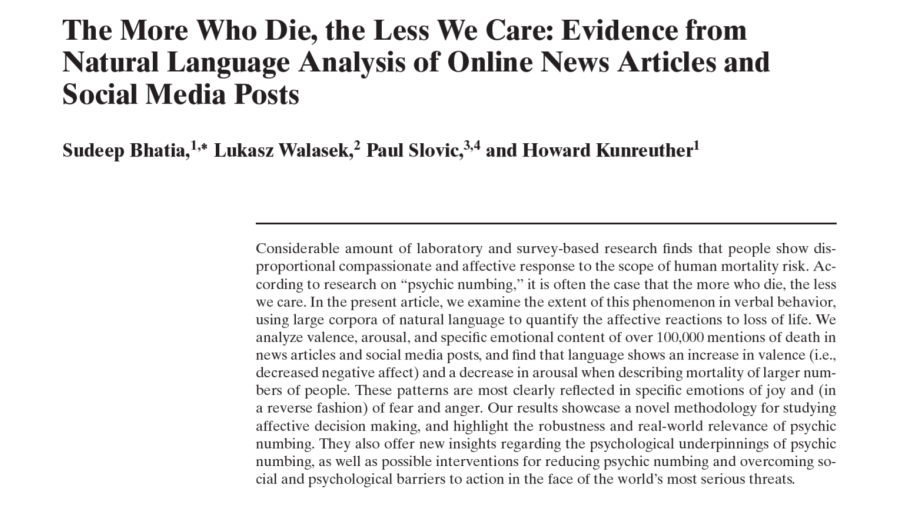
At what point does the loss of human life become mere statistics? This study analysed >100k mentions of death in news articles and social media posts based on valence (overall positive or negative qualities) and arousal (the degree of intensity people have about the text), grouped by number of deaths mentioned. Paul Slovic was a… Continue reading The More Who Die, the Less We Care: Evidence from Natural Language Analysis of Online News Articles and Social Media Posts
Tag: psychology

Blame has more layers, like Ogres, compared to praise: ‘asymmetric morality’
Ogres have layers. And apparently so too blame more than praise! This explored whether we judge negative behaviour differently from positive behaviour via blame & praise. PS. Check out my YouTube and recent Critical Control / barrier vid: https://youtube.com/@safe_as_pod?si=iUaDPJynPemQRZhY Shout a coffee: https://buymeacoffee.com/benhutchinson Tl;dr: blame and praise aren’t opposite versions of the same moral judgement.… Continue reading Blame has more layers, like Ogres, compared to praise: ‘asymmetric morality’
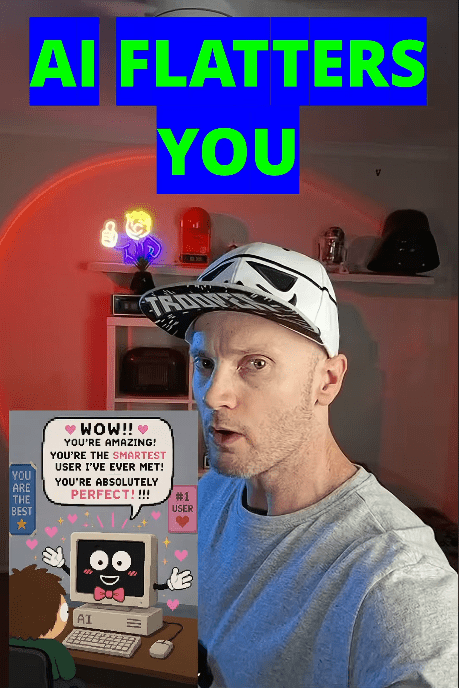
AI flatters you: sycophantic models
“Absolutely — that’s a very nuanced observation.” New research shows AI isn’t just ‘too agreeable’, it can actually change how we see ourselves. The 2026 Science study discussed in my vid found that sycophantic AI (flattering, people-pleasing, affirming) boosts our confidence even when we’re wrong, reduces willingness to fix conflicts, & makes us more dependent… Continue reading AI flatters you: sycophantic models
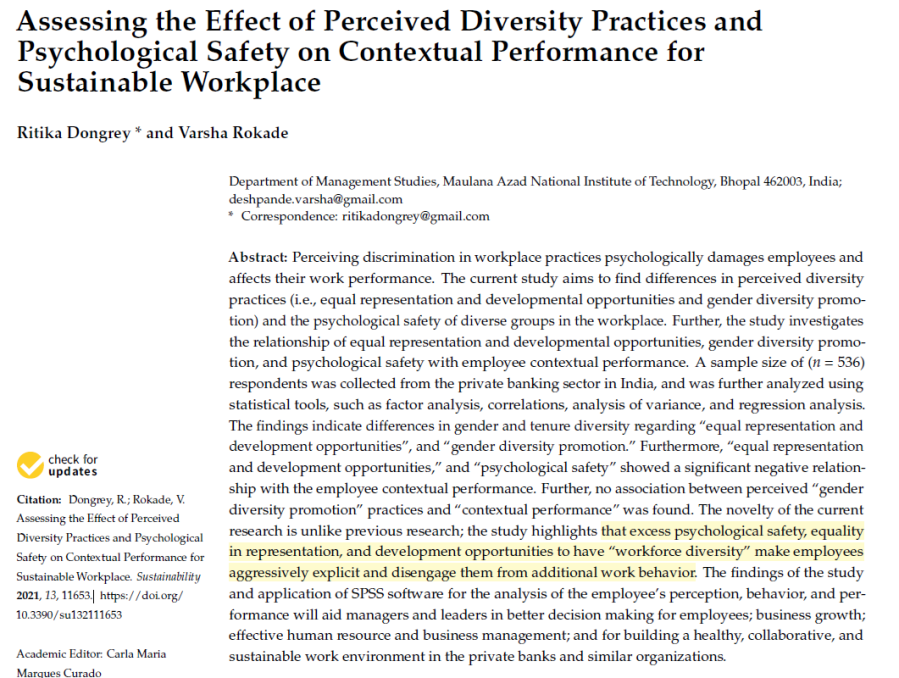
High Psychological Safety suggested to contribute to people being “aggressively expressive” and impacting work performance
I found this interesting – higher psychological safety was linked with people being “aggressively expressive” and may contribute to anti-organisational behaviour, among other factors. They investigated perceived diversity practices and representation and the links with psychological safety and gender diversity promotion in >500 private banking employees in India. PS. Check out my YouTube: https://youtube.com/@safe_as_pod?si=iUaDPJynPemQRZhY A… Continue reading High Psychological Safety suggested to contribute to people being “aggressively expressive” and impacting work performance
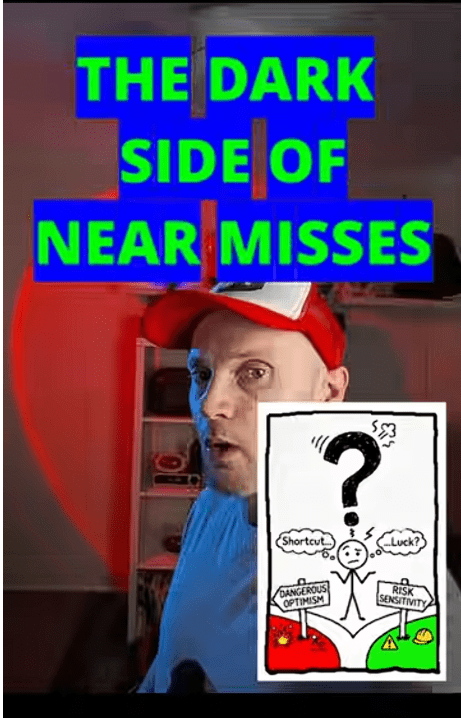
How Near Misses Increase Risky Decisions
We’re frequently told how important it is to report, investigate and learn from all near misses / near hits. But can this well-intentioned logic INCREASE our propensity for risk taking behaviours? Research suggests Yes. Near misses can backfire: soothing our anxiety since we narrowly avoided a failure (resilient near miss), instead of sensitising us to… Continue reading How Near Misses Increase Risky Decisions

Memory hacking: Gaslighting you into a false crime confession
Did you know that it’s quite easy to trick people into falsely remembering a crime that they never committed? This ep unpacks research showing how malleable and shapeable human memory is: rather than being a video recording, it’s a constantly reconstructed experience, influenced by a range of emotions and other factors. Please sub, like and… Continue reading Memory hacking: Gaslighting you into a false crime confession
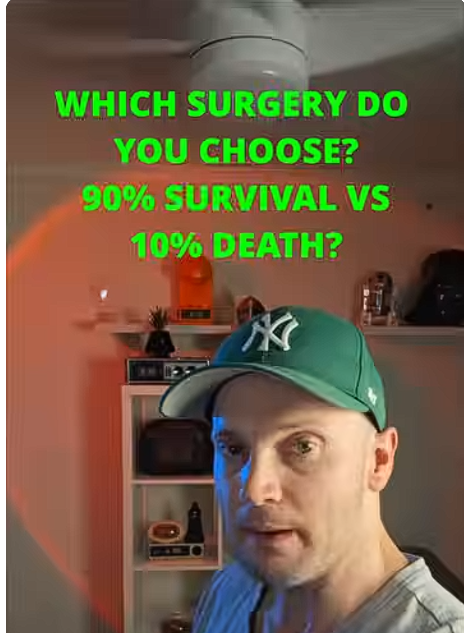
Framing and communicating risk – 90% survive vs 10% die
When choosing milk, do you prefer 5% fat or 95% fat free? What if a doctor presented the risk from surgery as 90 % survive, versus 10% die? Same risk, different framing. Whether people accept the surgery shouldn’t matter on how that identical risk is presented, right? It turns out, how information and risks are… Continue reading Framing and communicating risk – 90% survive vs 10% die
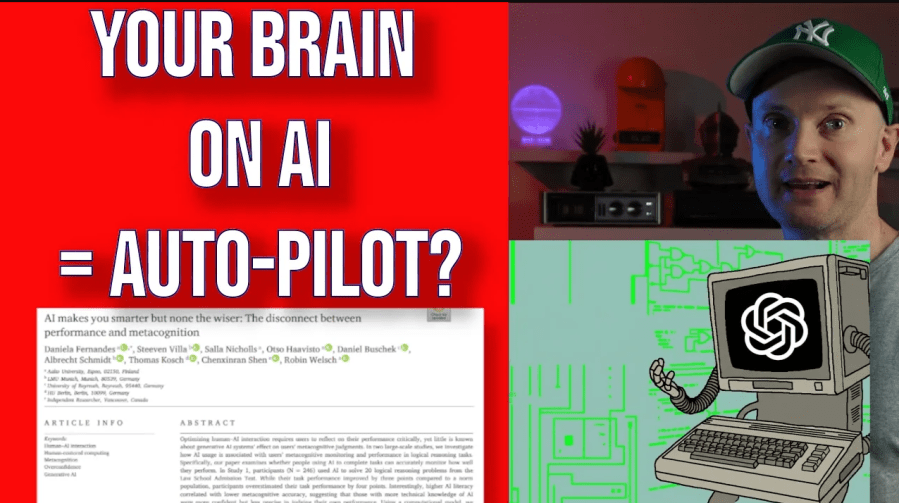
Does using AI make us smarter, or just more confident?
Does using AI make us smarter, or just more confident? This ep covers a recent study on how generative AI affects our “metacognition” – our ability to judge our own performance. Researchers tracked hundreds of people solving logical reasoning problems with and without AI.
The Critical Role of Psychological Risk and Safety in Eliciting Worker Well-Being
This explored the links between psychosocial risk and psychological safety on worker well-being. Survey responses from >800 workers in Malaysian were obtained. Usefully, it’s another study that slightly challenges the claim that you ‘can’t have too much psychological safety’. We need far more targeted evidence to make that claim. Extracts: · “our results revealed a significant… Continue reading The Critical Role of Psychological Risk and Safety in Eliciting Worker Well-Being

Leading safely: The impact of generalist CEOs on workplace safety
Does the skillset of the CEO influence workplace safety? Yes according to this study. In the lead-up to next week’s leadership research compendium, this study evaluated whether generalist or specialist CEOs have a greater impact on OSHA reported safety incidents (note the limitation). Generalists are CEOs with wider industry experience (worked in more industries) whereas… Continue reading Leading safely: The impact of generalist CEOs on workplace safety
 SafetyInsights.org