Safe As week in review: 25: Image 1 – This study found more experienced workers more likely to depart from procedures, and “adherence to procedures is often motivated by potential liability issues instead of genuine concerns for safety in organizations and many deviations from procedures were due to pressure from immediate supervisors”. Spotify https://spotifycreators-web.app.link/e/7zaNmgeW1Vb 26:… Continue reading Safe As week in review: 25, 26, 27 – value of high-risk procedures, direct risk controls, and fatigue vs alcohol intoxication
Can chatbots provide more social connection than humans?
Can chatbots provide more social connection than humans? Possibly, providing that they don’t “claim too much humanity”. Three study protocols with 801, 201 and 401 had participants engage with AI social chatbots. They note that the long-term consequences of social chatbot use is unknown, but is important to study since “hundreds of millions of people… Continue reading Can chatbots provide more social connection than humans?
Fatal construction accidents and brittle risk control systems
Fatal events more likely in “vulnerable systems”, where “only a single failure by humans or technology can lead to severe consequences”. Nothing new here for most people – but data from 2011 – 17 on 69 fatal Norwegian construction accidents reiterate some key points: 1. Brittle systems with less margin for failing safely are more… Continue reading Fatal construction accidents and brittle risk control systems
Heinrich’s Local Rationality: Shouldn’t ‘New View’ Thinkers Ask Why Things Made Sense To Him? – Carsten Busch
Why don’t new view thinkers apply their trade, e.g., local rationality, when describing Heinrich? Carsten Busch’s really interesting 2018 Masters thesis dives into this question and more. Some extracts: · Heinrich “is one of the most influential pioneers within safety. His concepts, originally from the late 1920s, influence safety practice and theory, even today” · It’s said… Continue reading Heinrich’s Local Rationality: Shouldn’t ‘New View’ Thinkers Ask Why Things Made Sense To Him? – Carsten Busch
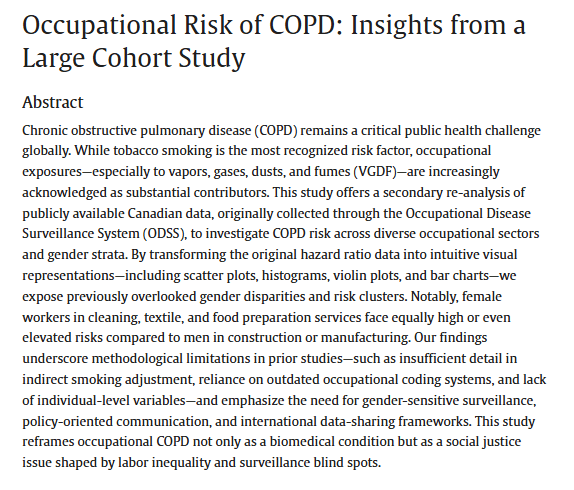
Occupational Risk of COPD: Insights from a Large Cohort Study
Female workers in cleaning, textile and food prep “face equally high or even elevated risks compared to men in construction or manufacturing” in COPD, according to this study. This interesting study re-evaluated a large Canadian dataset using 1.5 million workers across multiple industries and 44k COPD cases. Background: · “Chronic obstructive pulmonary disease (COPD) remains a… Continue reading Occupational Risk of COPD: Insights from a Large Cohort Study
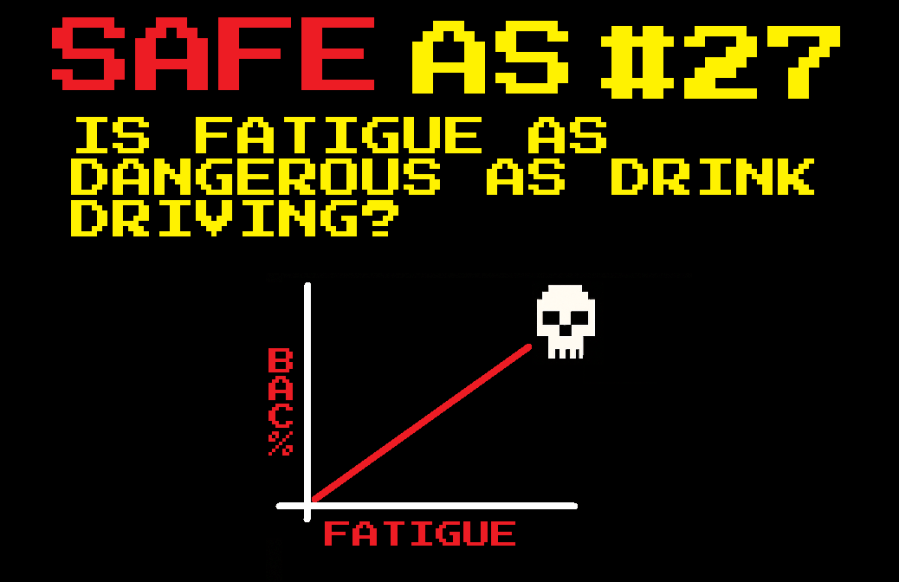
Safe As 27: Sleepy or Drunk – which is more dangerous?
The effects of alcohol on driving risk is well-known, but how do the effects of fatigue compare to alcohol intoxication? What happens when mental performance is compared between fatigue (via sleep loss) and alcohol impairment, and where/when do they intercept in impairing performance? Today’s study is Maruff, P., Falleti, M. G., Collie, A., Darby, D.,… Continue reading Safe As 27: Sleepy or Drunk – which is more dangerous?
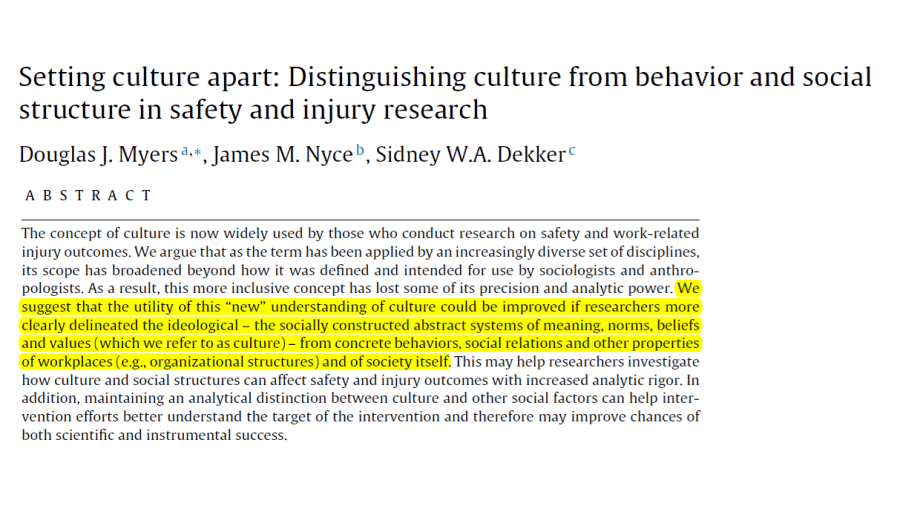
Setting culture apart: Distinguishing culture from behavior and social structure in safety and injury research
A really interesting paper talking about the vacuous nature of ‘culture’ as used in safety – how it’s come to mean everything, and hence, comes to mean little. Haven’t done a good job of this summary – I’ve skipped large parts of the paper – so recommend checking out the paper if it interests you.… Continue reading Setting culture apart: Distinguishing culture from behavior and social structure in safety and injury research
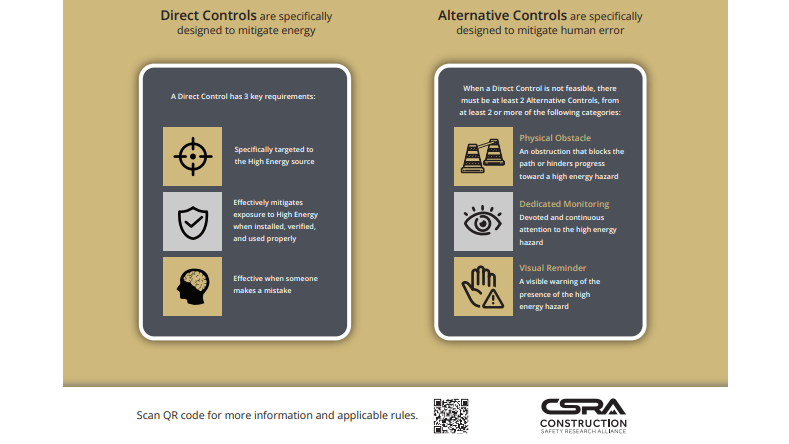
Safe As 26 (quickisode 3): Risk Controls: Alternative Controls / Direct Controls (AC/DC)
Safe as 26: Check out the Construction Safety Research Alliance’s concept of AC/DC (Alternative Controls and Direct Controls) in this quickisode – just 4 mins of your life. Direct controls specifically mitigate hazardous energy and are effective even when people make mistakes. Alternative controls are designed to, largely, reduce error, rather than reducing hazardous energy… Continue reading Safe As 26 (quickisode 3): Risk Controls: Alternative Controls / Direct Controls (AC/DC)

Paradoxical safety leadership: Conceptualization and measurement
Should leaders embrace paradoxes and tensions? This study developed a paradoxical safety leadership (PSL) construct. Extracts: · PSL is a “multidimensional construct that consists of seemingly contradictory yet interrelated leader behaviors to meet competing goals and demands in safety management” · It integrates a “both-and approach to organizational tensions” to effectively manage “salient competing demands arising from… Continue reading Paradoxical safety leadership: Conceptualization and measurement

Safe As 25: Do workers in high-risk industries use and value procedures?
Are your safety procedures effective aids to help navigate safe and reliable work? Do you know? And, do your workers use and value those procedures? Today we’re uncovering the painful realisation of how a compliance culture can erode trust, disengage workers and leave you dangerously exposed when things go wrong. Today’s study is Peres, S.… Continue reading Safe As 25: Do workers in high-risk industries use and value procedures?

