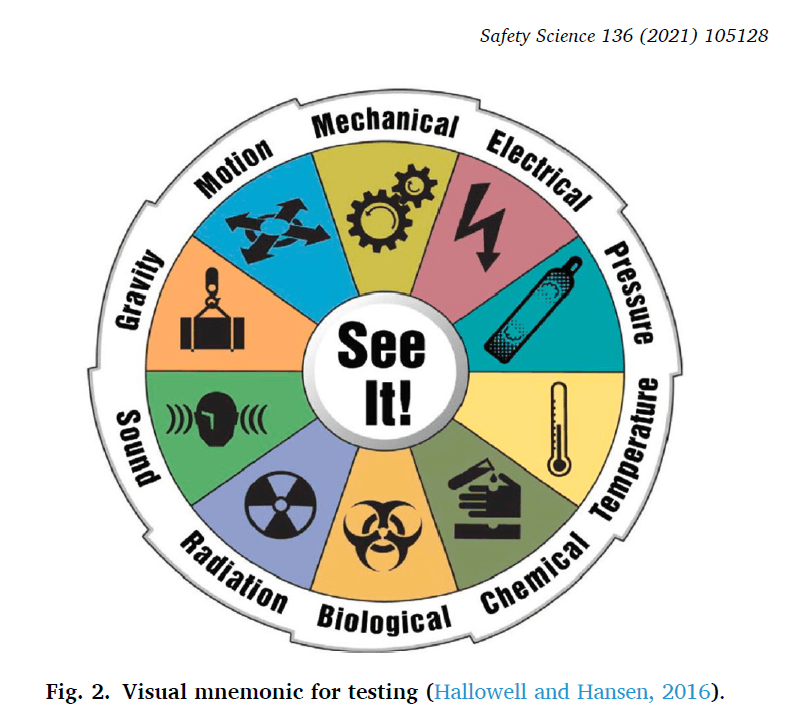
Does energy-based hazard recognition training improve firefighter HAZID? This tested energy-based hazard recognition on 43 US firefighters pre & post, and 3 months later, employing a control group. PS. Check out my YouTube: https://youtube.com/@safe_as_pod?si=V2dbdmW–WbnhzA9 Shout a coffee: https://buymeacoffee.com/benhutchinson Extracts: • “Hazard recognition is often regarded as the first step in the safety management process …When… Continue reading Improving firefighters hazard recognition with energy-based hazard recognition training
Tag: sif
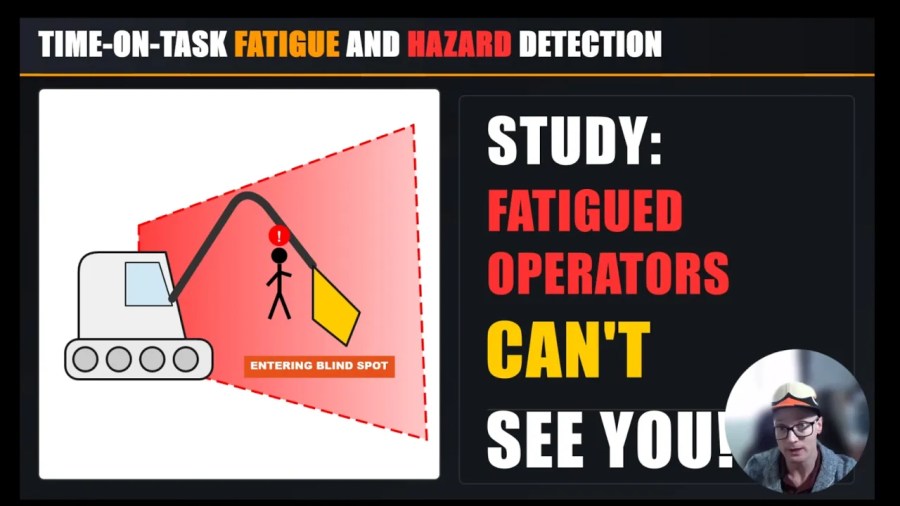
Can fatigue cause attentional blindness in plant operators? (Quickisode)
Can fatigue contribute to attentional blindness in plant operators and drivers? In this video, I review a 2019 study from Li et al. (Automation in Construction) who used wearable eye-tracking tech to measure how prolonged excavator operation / time-on-task fatigue impacts hazard detection and visual attention. Namely, whether the operators notice workers walking behind the… Continue reading Can fatigue cause attentional blindness in plant operators? (Quickisode)
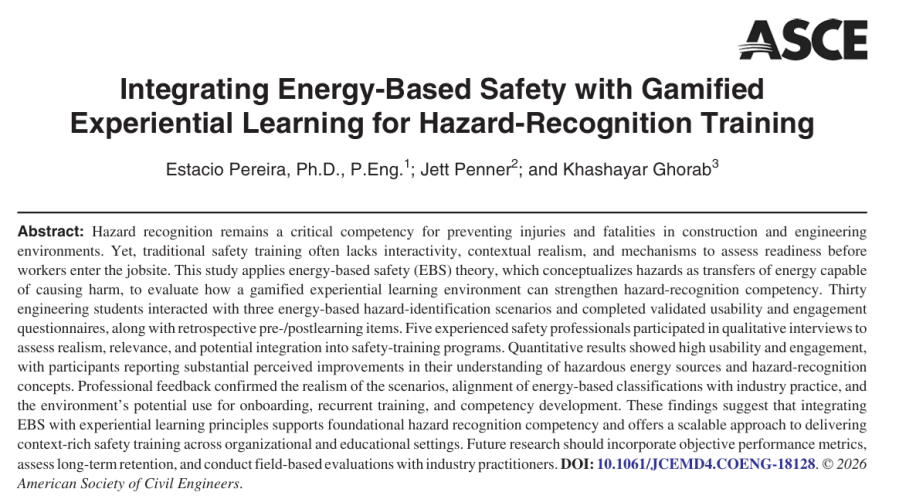
Integrating Energy-Based Safety with Gamified Experiential Learning for Hazard-Recognition Training
Can experiential, gamified learning enhance Energy-Based Safety hazard recognition? This tested desktop & VR scenarios using EBS concepts and surveyed students & experienced practitioners pre and post sessions. PS. Check out my YouTube: https://youtube.com/@safe_as_pod?si=V2dbdmW–WbnhzA9 Shout a coffee: https://buymeacoffee.com/benhutchinson Extracts: · “Traditional training approaches”, e.g. lectures & toolboxes “focus primarily on compliance and information recall rather… Continue reading Integrating Energy-Based Safety with Gamified Experiential Learning for Hazard-Recognition Training
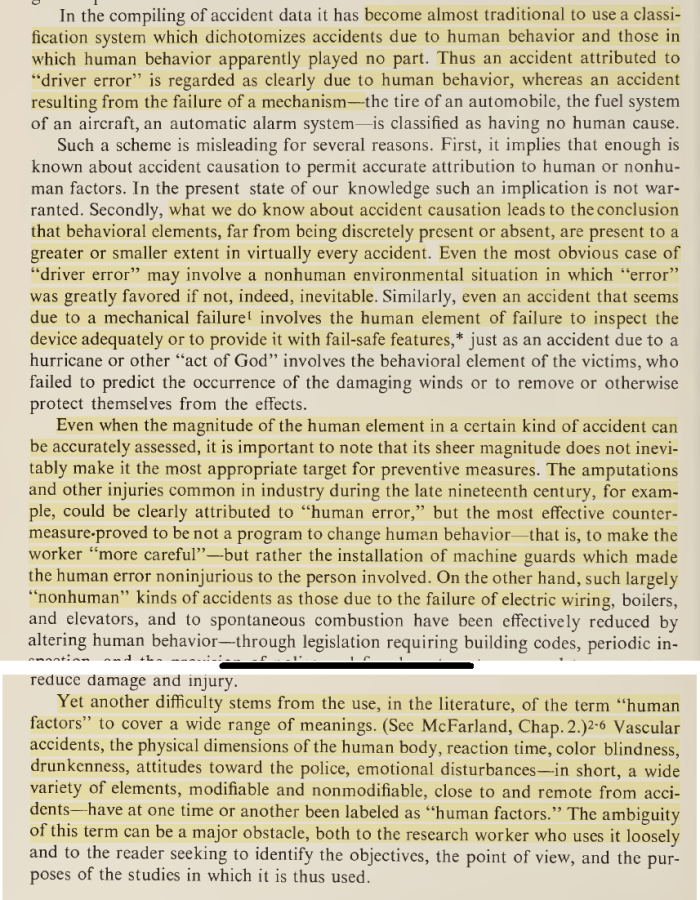
‘Human error’ an insufficient explanation for accidents – insights from 1964
An interesting challenge to the idea of ‘human error’ as a sufficient explanation back in 1964. This is from Haddon, Suchman & Klein’s 1964 book ‘Accident Research: Methods and Approaches’. Their argument is still as relevant today: behaviour is rarely separate from the environment where it occurs. And as of `64, the “ambiguity of this… Continue reading ‘Human error’ an insufficient explanation for accidents – insights from 1964
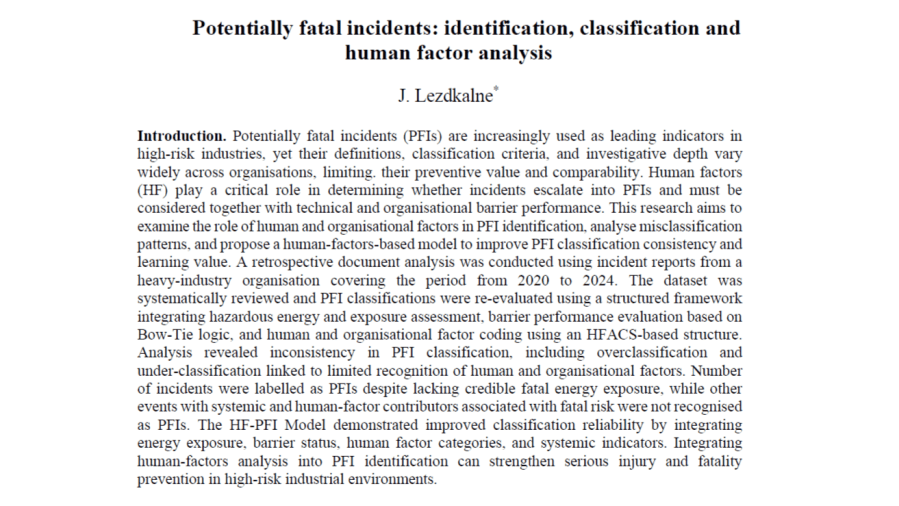
Potentially fatal incidents: Identification, classification and human factor analysis
Are incidents most likely to kill the ones we keep classifying as ‘minor’? This article applied a HFACS, hazardous energy, and barrier performance evaluation framework to 62 investigation reports. PS. Check out my YouTube: https://youtube.com/@safe_as_pod?si=V2dbdmW–WbnhzA9 Shout a coffee: https://buymeacoffee.com/benhutchinson Extracts: · “some events … labelled as PFIs despite lacking credible fatal potential, while others, involving substantial… Continue reading Potentially fatal incidents: Identification, classification and human factor analysis

Dr Linda Bellamy part 1: SIFs & the links between minor and major incidents
Is there a link between fatal and minor hazard exposures? Recent SIF research & campaigns suggest ‘NO’ – what kills people aren’t the same as what hurts them. But is that scientifically accurate? In part 1 of my chat with Dr Linda Bellamy, we discuss how Linda undertook perhaps the largest study of this kind… Continue reading Dr Linda Bellamy part 1: SIFs & the links between minor and major incidents
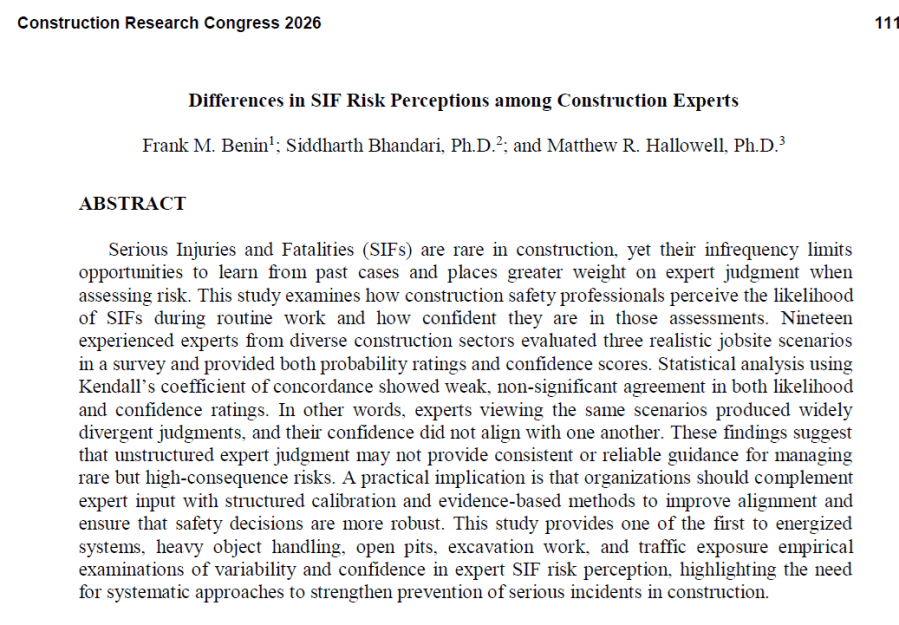
Differences in SIF Risk Perceptions among Construction Experts
Would two construction experts see the same SIF threat on the same site? This study from Frank Benin, Sid Bhandari & Matthew Hallowell evaluated how 19 construction experts perceive the likelihood of SIFs during routine work and how confident they were in those assessments. Assessments were sought via 3 work site scenario photos (so note… Continue reading Differences in SIF Risk Perceptions among Construction Experts
Balanced approach to serious injury and fatality prevention: Exploring empirical relationships between short and long-term measures of safety performance
What tells you more about tomorrow’s fatality risk – last month’s injury rate or today’s control of high-energy hazards? An interesting study Arnaldo Bayona & Matthew Hallowell and colleagues exploring the relationship between assessments of pre-job safety brief (PJSB) quality and HECA (high-energy control assessments) and work conditions, and links with injury and SIFs. Not… Continue reading Balanced approach to serious injury and fatality prevention: Exploring empirical relationships between short and long-term measures of safety performance
“Achieving low … incident rates does not indicate that controls are adequate with respect to [SIFs]”
“Achieving low … incident rates does not indicate that controls are adequate with respect to [SIFs]” Another lazy PowerPoint of quotes, this time from Fred Manuele’s 2013 article ‘Preventing Serious Injuries & Fatalities’. What do you think – do you agree or disagree with Fred’s premises which need to be embedded or dislodged? PS. Check… Continue reading “Achieving low … incident rates does not indicate that controls are adequate with respect to [SIFs]”
Part 2 interview with Dom Cooper: SIFS, BBS, HOP, and can we trust injury outcome measures
Part 2 interview with Dom Cooper on YouTube. Over these 2 eps, we discuss BBS, SIFS, weaknesses of HOP, and a lively debate on whether we can trust injury outcome measures, and more. Please subscribe, like, comment (directly on the YT video), and help share with your network. 🙏 Shout me a coffee: https://buymeacoffee.com/benhutchinsonSafe As… Continue reading Part 2 interview with Dom Cooper: SIFS, BBS, HOP, and can we trust injury outcome measures

