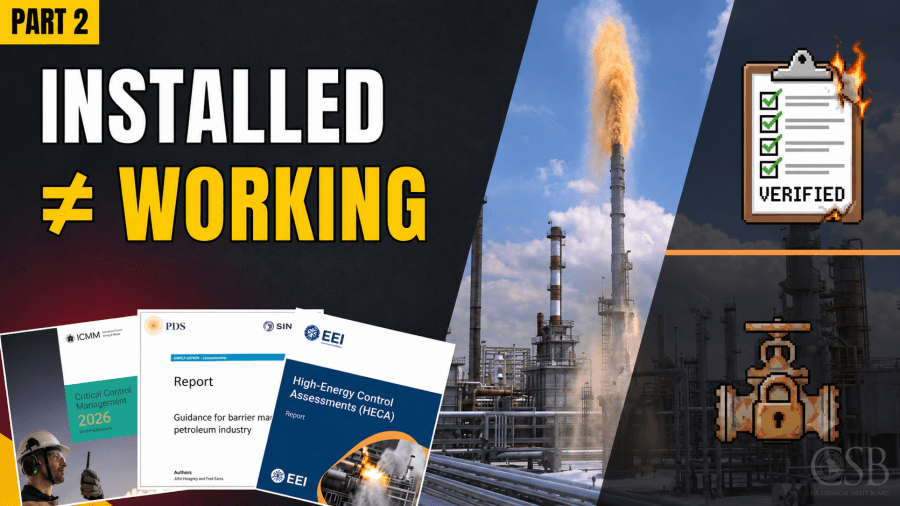
Is a control that’s present ‘close enough’ to a control that works? I’d expect most would say ‘prob not’. This is a gap explored in Part 2 of my series on Critical Controls / Barrier frameworks. Hopes and dreams and gumdrop smiles about a control in a plan or JSA is one thing, but that… Continue reading Critical Controls & Barriers Part 2: Is close enough good enough?
“There is no such thing as risk in reality” – it’s constructed by humans, but it shapes & constricts social life
Is risk discovered or simply constructed, visualised and governed? A cool read from Cavallo’s ‘Aesthetics of Risk’, which asks us to look beyond hazards towards the future and production of risk. Extracts from just a couple of chapters. Can post more if people are interested. PS. Check out my YouTube and recent Critical Control /… Continue reading “There is no such thing as risk in reality” – it’s constructed by humans, but it shapes & constricts social life
Critical Controls, Barriers, Safeguards: YT Part 2
How do we translate a paper barrier system into one that’s functional and verified as effective? Whereas part 1 looked at key definitions of control, barrier, safeguard, support, and verification activity – this episode dives deeper into the use of such frameworks. In particular, we unpack escalation / degradation / erosion factors, and the necessary… Continue reading Critical Controls, Barriers, Safeguards: YT Part 2
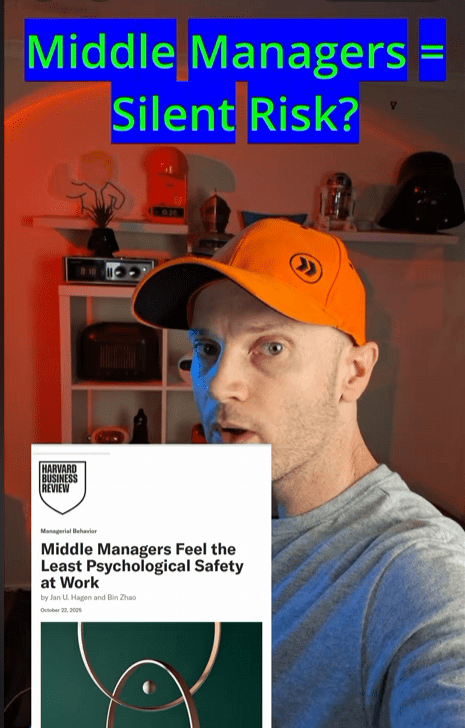
YT vid: Why Psychological Safety Fails Middle Managers
What if the people in the middle of an organisation are the least safe to speak honestly or take necessary interpersonal risks? Research has suggested that in an ongoing study of over 1000 managers, middle managers felt the least safe psychologically safe compared with c-suite executives and their direct reports. (** Though, as some have… Continue reading YT vid: Why Psychological Safety Fails Middle Managers
What is a ‘system’? Part 1 of 3 extracts from Leveson’s book on systems engineering
What is a system? Post 1 of 3 extracts from Nancy Leveson’s book ‘An introduction to Systems Engineering’. Not reproducing everything from the images – just a few points. This is from a systems engineering perspective. For Leveson, systems engineering considers a system more by its goal or objective, rather than the connected sum of… Continue reading What is a ‘system’? Part 1 of 3 extracts from Leveson’s book on systems engineering
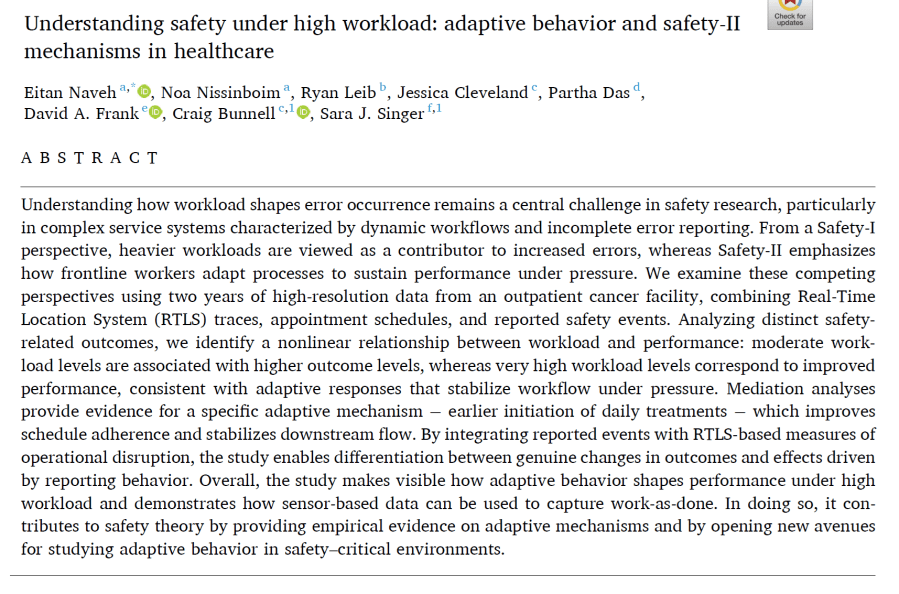
Understanding safety under high workload: adaptive behavior and safety-II mechanisms in healthcare
What does Safety-II tell us about workload, adaptations, and error? This study analysed the effects of workload on error and adaptations across >580 days in 6 hospital departments and 924 reported safety events. PS. Check out my YouTube and recent Critical Control / barrier vid: https://youtube.com/@safe_as_pod?si=iUaDPJynPemQRZhY Shout a coffee: https://buymeacoffee.com/benhutchinson Extracts: · “From a Safety-I perspective,… Continue reading Understanding safety under high workload: adaptive behavior and safety-II mechanisms in healthcare
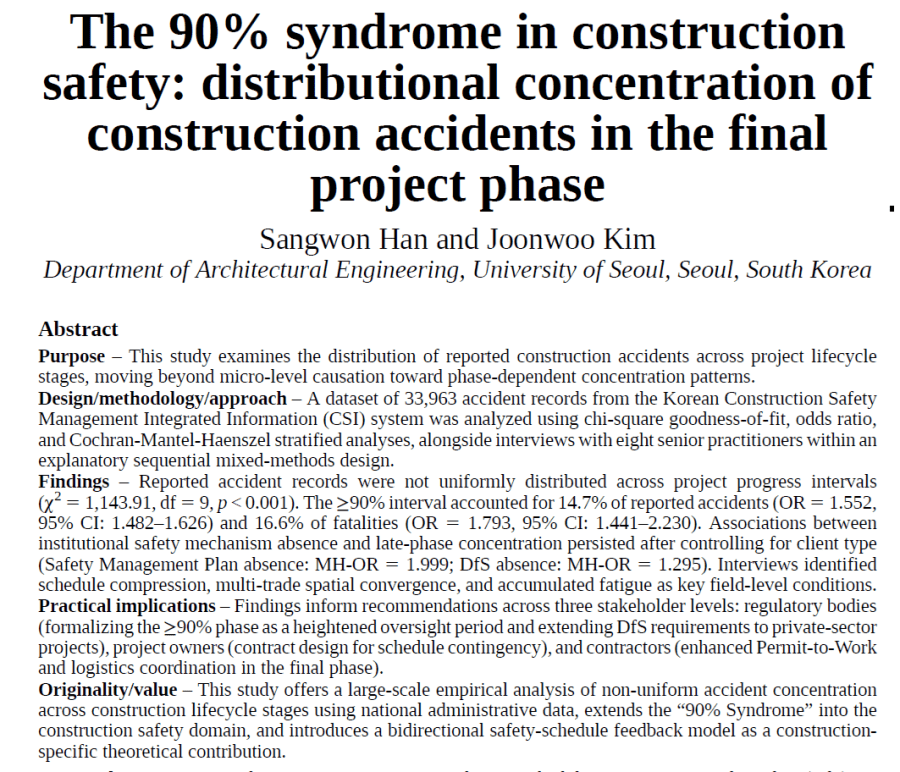
The 90% syndrome in construction safety: distributional concentration of construction accidents in the final project phase
Do construction accidents peak near the end of the project? This analysis of >33k Korean construction accidents examined when accidents occurred during the project phases. They describe the ‘90% Syndrome’, borrowing from the 90-90 rule in software engineering: the first 90% of code accounts for the first 90% of development time, while the remaining 10%… Continue reading The 90% syndrome in construction safety: distributional concentration of construction accidents in the final project phase
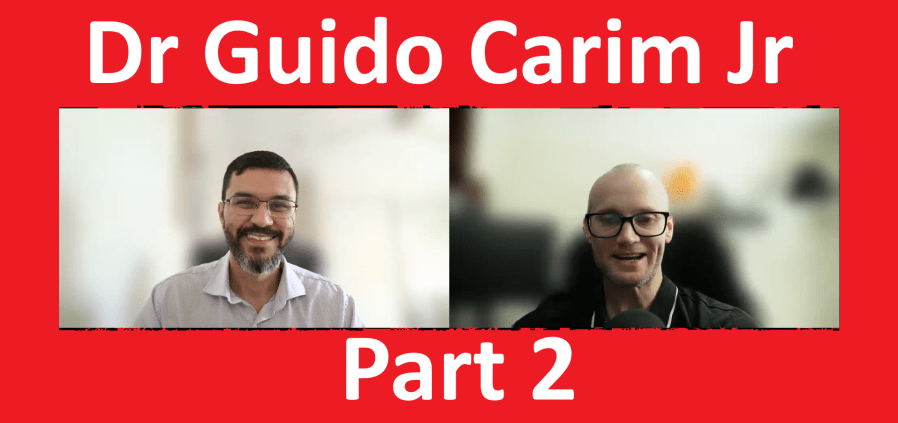
Part 2 interview Dr Guido Carim Jr on Safety-II, adaptive capacities, procedures & more
Part 2 interview with Dr. Guido Carim Junior, PhD, Associate Professor of Aviation, pilot, researcher, and safety scientist. PS. Check out my YouTube and recent Critical Control / barrier vid: https://youtube.com/@safe_as_pod?si=iUaDPJynPemQRZhY Shout a coffee: https://buymeacoffee.com/benhutchinson We continue our convo about digital checklists, unpacking the potential role of AI and how so-called ‘smart’ features risk narrowing… Continue reading Part 2 interview Dr Guido Carim Jr on Safety-II, adaptive capacities, procedures & more
Have we engineered systems that exceed our capacity to intellectually manage them? Extracts from Nancy Leveson
Have we engineered systems that exceed our capacity to intellectually manage them? Some extracts from Leveson’s book ‘An Introduction to System Safety Engineering’. PS. Check out my YouTube and recent Critical Control / barrier vid: https://youtube.com/@safe_as_pod?si=iUaDPJynPemQRZhY Shout a coffee: https://buymeacoffee.com/benhutchinson First she quotes Trevor Kletz where we’re seemingly ‘willing to spend money on complexity but… Continue reading Have we engineered systems that exceed our capacity to intellectually manage them? Extracts from Nancy Leveson
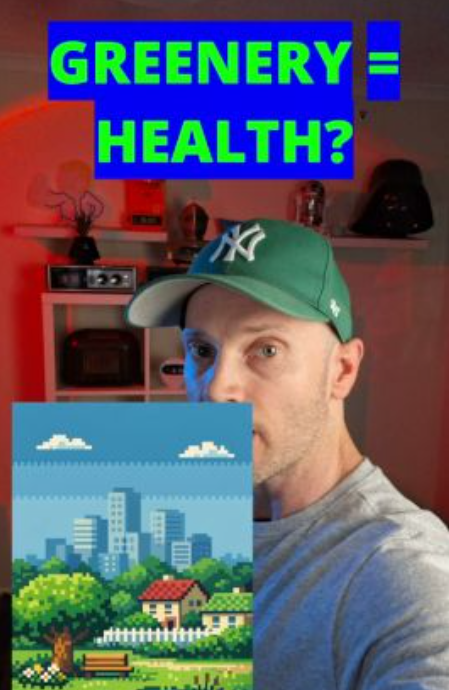
Hey nature boy! Greenery and plants are good for yer (#youtube shorts)
Is the amount of greenery and nature around your home or in urban settings linked to depression and other health factors? Based on a number of (mostly observational) studies, cautious links have been established between higher levels of greenness and better sleep, higher physical activity, and lower cardiovascular disease. There are likely lots of explanatory… Continue reading Hey nature boy! Greenery and plants are good for yer (#youtube shorts)

